
Heynea
Heynea
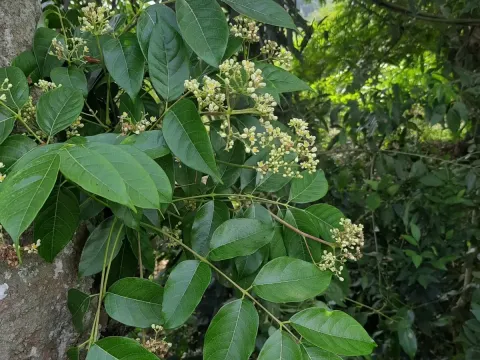
Heynea is a genus of evergreen trees and shrubs belonging to the Meliaceae family. Many species formerly classified under this genus are now often moved to the genus Trichilia, reflecting the ongoing botanical refinement of the family's taxonomy.
What the section contains

Heynea
The native distribution of Heynea encompasses the tropical and subtropical regions of Asia, specifically extending across India, China, and Southeast Asia. These trees thrive in humid forest environments, requiring stable high temperatures for optimal growth.
Successful cultivation of Heynea requires well-drained, fertile soil with a neutral to slightly acidic pH. The root system is particularly sensitive to waterlogging, necessitating careful site selection to ensure efficient drainage during heavy rainfall seasons.
Agricultural management involves providing high levels of ambient humidity and appropriate lighting conditions. While mature trees are robust, young plants benefit from partial shade to protect them from direct, intense tropical sunlight during the early establishment phase.
The economic use of Heynea primarily centers on its phytochemical properties, as extracts from various parts of the plant are utilized in traditional medicinal preparations. Additionally, the wood is sometimes harvested for small-scale woodworking and furniture making.
Common threats to Heynea include root rot pathogens, which are typically triggered by poor soil aeration or excess moisture. Maintaining a consistent moisture balance is the most effective preventative measure for plant health.
Pest management focuses on controlling leaf-eating insects and mealybugs that can weaken the tree. Regular monitoring and the application of integrated pest management strategies are recommended to maintain the vigor of the plant canopy.