
Herrania nitida
Herrania nitida
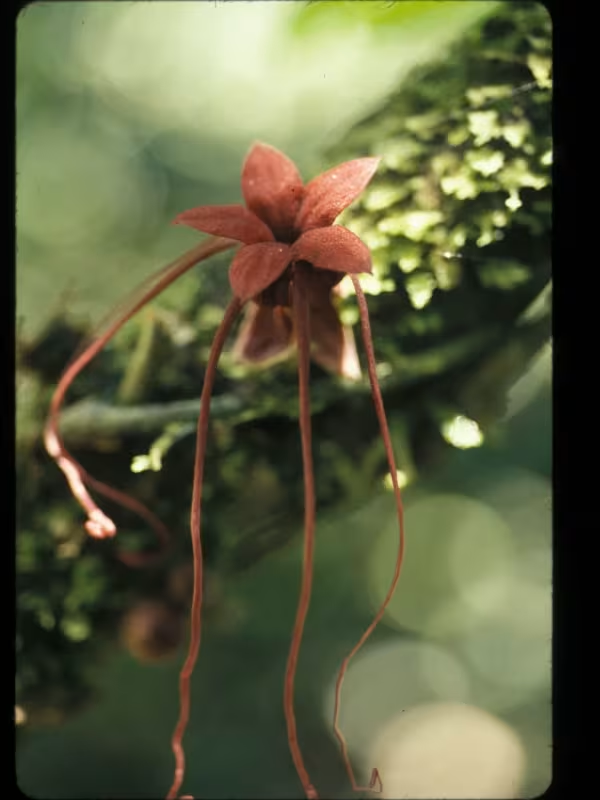
Description
Growing requirements
Herrania nitida is an evergreen tree species belonging to the Malvaceae family. It is native to the rainforests of South America and is closely related to the genus Theobroma, which includes common cocoa.
The climate requirements for this culture are strictly tropical. The plants thrive in environments with high annual rainfall, consistent temperatures, and protection from strong winds that could damage the foliage.
Soil quality plays a vital role in the success of the plantation. The ideal growing medium is deep, fertile, and well-drained, with a high concentration of organic matter to support the rapid growth of the tree.
As a sub-canopy plant, Herrania nitida requires significant shade to prevent leaf scorching. In professional agricultural settings, farmers often intercrop this species with taller forest trees to recreate its natural habitat.
Agricultural techniques involve regular maintenance of soil moisture and the application of balanced organic fertilizers. Because of the delicate nature of the root system, excessive tillage should be avoided to prevent damage.
Yield
The fruit of Herrania nitida is a ribbed, elongated capsule, typically born directly on the trunk, a trait known as cauliflory. These fruits are prized for their edible pulp and seeds.
Regarding productivity, the plant begins to bear fruit after several years of growth. Sustainable yield management requires careful pruning and thinning to ensure the plant focuses energy on fruit development rather than excessive vegetation.
The seeds of this crop are traditionally used to produce refreshing, cocoa-like beverages. The pulp surrounding the seeds is also a nutritious food source, contributing to its value as a multi-purpose crop.
Harvesting is performed manually to ensure only fully ripe fruits are selected. Due to the decentralized nature of the fruit distribution on the trunk, high-precision picking techniques are necessary to avoid damaging the tree bark.
Post-harvest processing involves fermenting and drying the seeds to unlock their flavor profile. This stage is crucial for ensuring the market value of the crop in both local and international niches.
Main diseases and pests
The primary threats to Herrania nitida include fungal pathogens that exploit the high-humidity environment of tropical forests. Infections often manifest as fruit rot or leaf spotting, which can rapidly diminish crop quality.
Various insect pests, such as beetles and scale insects, frequently target the stems and foliage. Integrated pest management strategies, emphasizing biological control and sanitation, are highly recommended to keep populations under control.
Root rot, induced by poor drainage, is a common issue in clay-heavy soils. Providing an appropriate soil structure is the most effective preventative measure against this persistent agricultural challenge.
Environmental stress, such as extreme drought, can weaken the plant's defense mechanisms, making it more susceptible to secondary infestations. Consistent irrigation is essential to maintain plant vigor throughout the dry season.
Effective crop management relies on regular field inspections and the prompt removal of diseased plant parts. Maintaining a clean orchard environment significantly reduces the pressure from pests and diseases over time.