
Herrania balaensis
Herrania balaensis
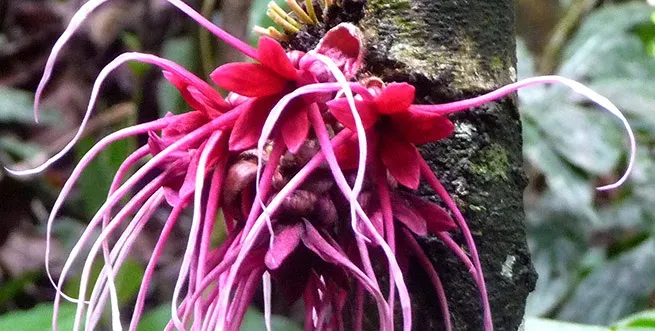
Description
Sowing dates
Propagation of Herrania balaensis is primarily achieved through seeds. Due to their recalcitrant nature, seeds must be planted immediately after extraction from the fruit pod.
For successful germination, seeds should be placed in a well-draining, nutrient-rich potting medium. The soil should be kept constantly moist but never waterlogged during this stage.
Optimal germination occurs at temperatures between 25 and 30 degrees Celsius. Seedlings typically emerge within a few weeks when high humidity levels are maintained.
Shading is critical for young plants during their early development phases. Direct sunlight can cause dehydration and necrosis in the young leaves of this species.
Transplanting should be done with extreme care to protect the developing root system. It is advised to move seedlings to permanent locations only after they have developed robust stems.
Growing requirements
Herrania balaensis is a member of the Malvaceae family, closely related to the genus Theobroma. It is a tropical tree native to humid rainforests, thriving in shaded environments.
The soil should be rich in organic matter, reflecting its natural forest habitat. Maintaining a slightly acidic to neutral pH is essential for efficient nutrient uptake.
High humidity and consistent temperatures are the most critical climatic requirements. The plant is unable to tolerate frost or temperatures below 18 degrees Celsius.
As a shade-loving species, it performs best under a forest canopy or artificial shade netting. Excessive light exposure can inhibit vegetative growth and stress the tree.
Adequate soil aeration is just as important as irrigation. Regular mulching with organic material helps maintain moisture levels and supports soil microbial activity.
Yield
The economic potential of Herrania balaensis lies in its fruit production, although yields are generally lower compared to conventional commercial cacao varieties.
Fruiting typically begins several years after planting, depending on environmental conditions and the quality of care provided during the juvenile stage.
The seeds contained within the pods have traditional and potential commercial applications, similar to those of its relatives in the cocoa family.
Optimizing the microclimate and ensuring balanced nutrient availability are key factors in enhancing the fruit yield and quality of the seeds harvested.
Harvesting is usually done by hand, ensuring that the tree branches remain intact, as they are somewhat fragile and prone to breakage during heavy operations.
Main diseases and pests
Fungal diseases are the most significant threat to this species, particularly in regions with poorly regulated moisture levels. These often target the root zone.
Leaf spot pathogens can spread quickly if air circulation is inadequate. Maintaining proper spacing between trees is a key cultural practice to mitigate these risks.
Common tropical pests, including mealybugs and various species of mites, may infest the plants, especially during drier spells when plant stress is increased.
Preventative measures should focus on maintaining overall tree vigor through proper fertilization and sanitation to ensure natural resistance to common pathogens.
If chemical interventions are necessary, they must be selected with caution, as the plant may exhibit sensitivity to certain synthetic pesticides used in intensive farming.