
Herrania albiflora
Herrania albiflora
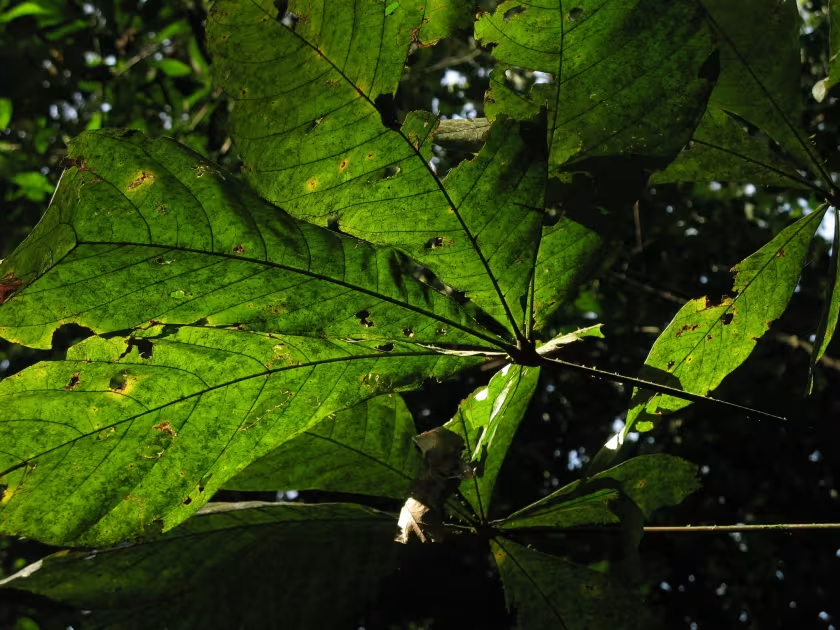
Description
Growing requirements
Herrania albiflora is a perennial evergreen tree belonging to the Malvaceae family. As a close relative of the cocoa tree (Theobroma cacao), it shares many physiological traits and requires specific tropical conditions for optimal growth and fruit development.
The native habitat of this species is the tropical rainforests of South America. It typically grows as an understory tree, which means it thrives in environments characterized by filtered sunlight, high relative humidity, and consistent warm temperatures throughout the year.
For cultivation, deep, nutrient-rich soils are essential. The crop prefers well-drained loam that mimics the forest floor's organic composition. Ensuring proper drainage is critical to prevent root rot, which is a major risk in high-rainfall tropical zones.
Climate requirements include a stable temperature range of 24°C to 28°C. The species is highly sensitive to cold weather; even minor thermal fluctuations or direct exposure to harsh wind can significantly impede its metabolic functions and reduce the growth rate.
Agricultural management relies heavily on moisture control. While the tree requires plenty of water, it does not tolerate waterlogging. Irrigation systems must be designed to maintain a consistent level of soil moisture without causing structural damage to the root zone.
Harvesting
The primary economic value of Herrania albiflora lies in its seeds, which contain fats and alkaloids. These seeds can be processed similarly to cacao beans to produce oils or secondary ingredients for the food and cosmetic industries.
Harvesting is performed by hand due to the unique growth pattern of the fruits, which emerge directly from the trunk (cauliflory). Farmers must monitor the fruit color carefully, as peak maturity is marked by a transition in the husk's texture and pigmentation.
Post-harvest processing involves fermenting the seeds to reduce natural bitterness and enhance their aromatic profile. This stage is crucial for ensuring the final product meets market standards for flavor and chemical stability in industrial food production.
Yield management requires careful pruning to ensure air circulation and light penetration into the inner canopy. By managing the tree density at approximately 400-600 trees per hectare, growers can maintain sustainable productivity over the tree's lifespan.
Proper storage of the harvested seeds is vital to prevent fungal growth. Drying the fermented beans under controlled conditions reduces moisture content to safe levels, protecting the investment and preparing the raw material for international distribution.