
Hemigraphis reptans
Hemigraphis reptans
Description
Growing requirements
Hemigraphis reptans is a perennial herbaceous plant classified within the Acanthaceae family. It is native to the tropical regions of Southeast Asia, where it thrives in shaded, high-humidity forest understories, demonstrating a natural habit of spreading across the ground surface.
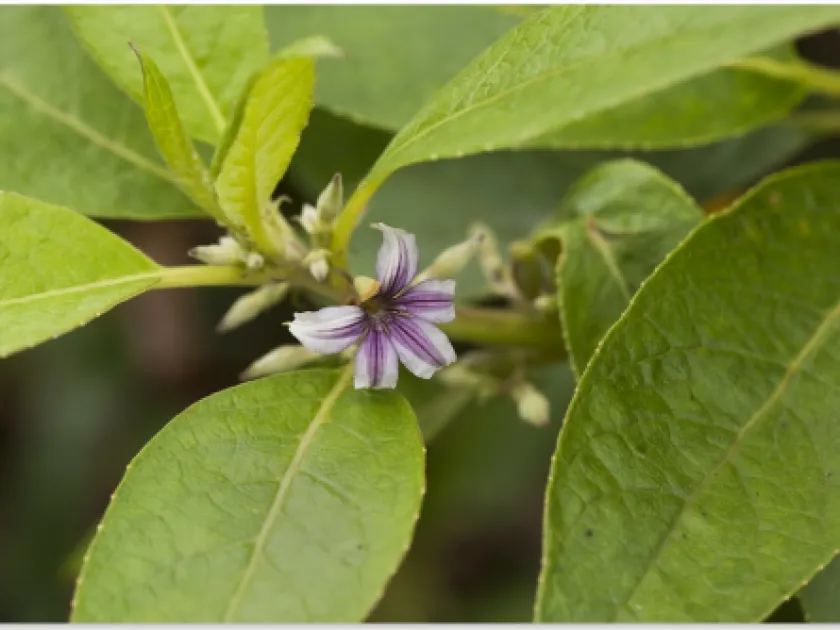
The botanical structure of this species features creeping stems that readily root at the nodes upon contact with moist substrate. Its foliage is typically ovate and may exhibit varying hues of green and purple, which intensifies significantly when exposed to the correct spectrum of ambient light.
Optimal growth requires a warm climate with temperatures consistently above 18 degrees Celsius. Being a tropical species, it demands high atmospheric humidity and is intolerant of frost, making it suitable for indoor environments or controlled greenhouse conditions in non-tropical regions.
Regarding soil requirements, the plant prefers a porous, well-draining, and nutrient-rich medium. A peat-based mixture enriched with organic compost and inorganic aeration components like perlite ensures that the root system remains healthy and avoids waterlogging.
A successful cultivation strategy involves keeping the soil consistently moist but never waterlogged. Regular misting is highly beneficial, as the plant is sensitive to low humidity levels, which often occur in indoor settings with active central heating or climate control systems.
Main diseases and pests
The most common pathological threats to Hemigraphis reptans include root rot and stem decay caused by Phytophthora or Pythium species, typically resulting from overwatering or inadequate soil drainage. Fungal foliage spots can also emerge if the leaves remain wet for extended periods in low-light environments.
Common horticultural pests include spider mites and mealybugs, which thrive in indoor climates. Effective management involves maintaining adequate spacing between plants to improve airflow and utilizing horticultural oils or soaps at the first sign of infestation to preserve the health of the plant.