
Hemigraphis okamotoi
Hemigraphis okamotoi
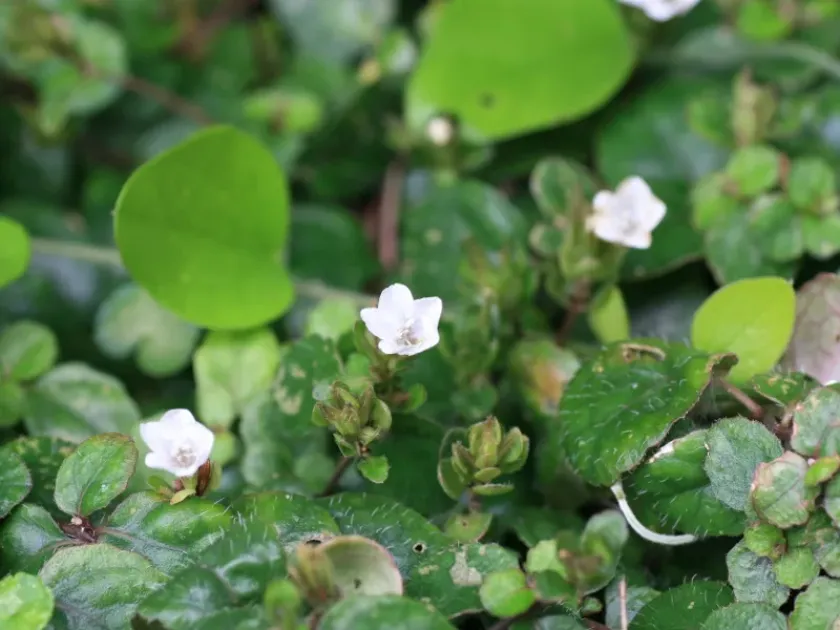
Description
Growing requirements
Hemigraphis okamotoi is a distinctive herbaceous plant belonging to the Acanthaceae family. Originating from the humid, tropical environments of Asia, this species thrives in understory conditions where indirect light and high atmospheric humidity are prevalent.
The climate requirements for this plant are stringent; it prefers constant temperatures between 20°C and 25°C. It is notably sensitive to temperature fluctuations and cold drafts, which often lead to leaf abscission and overall plant stress during the active growing phase.
Regarding soil, Hemigraphis okamotoi demands a porous, well-aerated medium. A mix containing peat moss, leaf compost, and coarse sand or perlite works best. This composition maintains a moist environment while preventing the root system from suffocating due to waterlogging.
Humidity management is crucial for the health of this species. Providing ambient humidity levels of at least 70% is essential for maintaining vibrant leaf color and texture. Daily misting or the use of humidity trays is recommended for indoor cultivation.
In terms of economic and practical use, this species is primarily utilized as an ornamental plant in indoor plantscapes and vivarium setups. Its ability to create a lush, compact ground cover makes it a sought-after choice for terrarium enthusiasts and interior designers.
Main diseases and pests
The primary threats to Hemigraphis okamotoi include common tropical pests such as spider mites, which flourish in low-humidity environments, and mealybugs. Early detection through regular leaf inspection is vital to prevent significant damage.
Root rot is the most common disease factor, usually caused by overwatering or poor drainage. Ensuring that the soil surface dries slightly between waterings is a standard agronomic practice to protect the plant's delicate vascular system.
Light-related issues are significant, as insufficient light leads to etiolation, where the stems become weak and elongated. Conversely, exposure to direct, intense sunlight can cause immediate leaf tissue scorching and irreversible aesthetic damage.
Maintaining hygiene in the growing space is critical to prevent the spread of fungal spores. Removing dead organic matter from the soil surface helps minimize the risks of pathogen proliferation within the confined root zone.
Fertilization should be handled with caution; the plant's sensitivity requires dilute, balanced nutrient applications. Using high-nitrogen or overly concentrated chemical fertilizers can burn roots and impair the plant's ability to maintain its characteristic foliage appearance.