
Hemigraphis primulaefolia
Hemigraphis primulaefolia
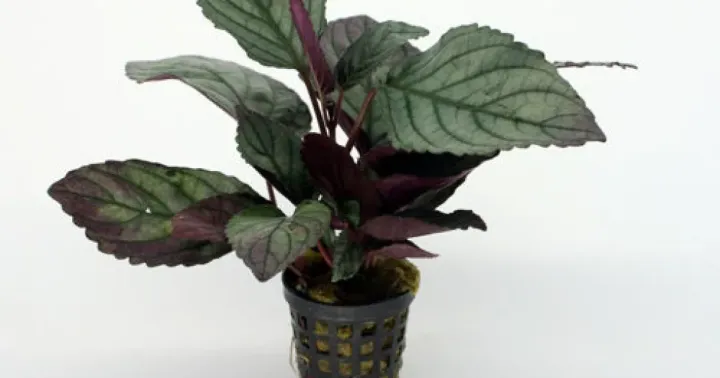
Description
Growing requirements
Hemigraphis primulaefolia is a perennial herbaceous plant belonging to the Acanthaceae family. It is native to the tropical regions of Southeast Asia, thriving in humid forest understories.
The plant requires loose, fertile soil rich in organic matter. A well-draining substrate is critical to maintain moisture while preventing waterlogging, which the root system cannot tolerate.
Climatic conditions for this crop must be stable, with temperatures ranging between 20°C and 26°C. It is strictly a warm-climate species that does not survive exposure to frost.
Bright but indirect lighting is essential. Direct sunlight causes leaf scorching and disrupts the plant's metabolic processes, affecting its overall growth rate and vigor.
Botanically, it is characterized by its rosette-forming foliage, which bears a strong resemblance to primroses. The leaves are often succulent, requiring careful handling to prevent mechanical damage.
Main diseases and pests
Spider mites are the most common pests for Hemigraphis primulaefolia, especially in environments where humidity levels fall below the required threshold for the plant.
Mealybugs can also colonize the leaf axils, leading to stunted growth. Regular inspection is necessary to detect these pests before they develop into heavy infestations.
Fungal pathogens, such as root rot (Pythium), represent a significant threat if the cultivation substrate remains saturated for extended periods without aeration.
To prevent disease outbreaks, agricultural practices should prioritize spacing between plants to ensure adequate air circulation and reduce the risk of bacterial spotting.
Biological control agents or specific systemic pesticides are recommended for large-scale production to maintain the aesthetic and physiological health of the crop.