
Hemarthria uncinata
Hemarthria uncinata
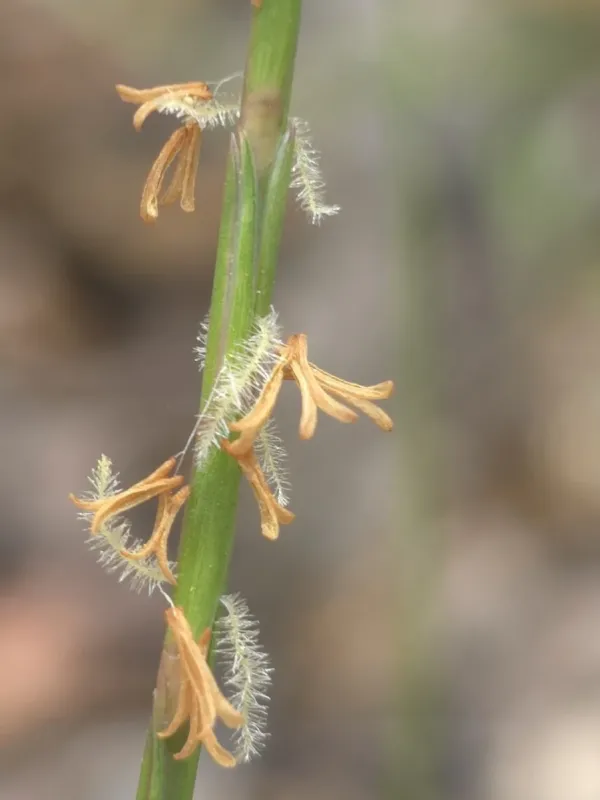
Description
Growing requirements
Hemarthria uncinata is a perennial grass species belonging to the Poaceae family, widely recognized for its high adaptability to moist environments. Originating from tropical and subtropical areas, this plant thrives in riverbanks, floodplains, and wetland sites where moisture is abundant year-round.
This grass is highly prized for its tolerance to waterlogged soils, a feature that distinguishes it from many other agricultural forage species. It performs well even in heavy clay soils, making it an excellent choice for reclamation of land that is prone to seasonal flooding.
Optimal growth requires warm temperatures and ample rainfall during the vegetative stage. Being a heat-loving plant, it exhibits vigorous growth in tropical climates, effectively forming a thick mat that provides excellent soil cover and prevents erosion in low-lying areas.
Botanically, it is a stoloniferous plant, spreading rapidly across the soil surface. Its architecture allows it to persist under heavy grazing pressure, which is a critical trait for sustainable livestock management in regions where forage resources may be limited by environmental conditions.
The primary agricultural application of this culture is as high-quality pasture grass for cattle and other ruminants. Because of its capacity for rapid regrowth after being grazed or mown, it serves as a reliable and productive source of livestock feed in diverse subtropical farming systems.
Main diseases and pests
Hemarthria uncinata is generally considered to be robust and resistant to most common plant diseases, which lowers the need for intensive chemical interventions. However, like any forage grass, prolonged periods of excessive humidity and low air circulation may lead to the development of fungal leaf pathogens.
In terms of insect pests, various leaf-feeding insects and stem borers can sporadically affect plant stands. These pests are usually managed through proper grazing management and by maintaining the overall health and vigor of the sward, which naturally limits pest population outbreaks.
To mitigate threats, farmers should monitor the pasture for any signs of leaf discoloration or irregular growth. Maintaining an appropriate density is essential; overgrazing may expose the soil and crown, creating entry points for opportunistic soil-borne pathogens or pests.
Integrated pest management strategies are often sufficient to keep the crop healthy. By ensuring nutrient balance in the soil, the plants remain more resilient to external stressors, allowing for long-term productivity without excessive reliance on synthetic protectants.
Ultimately, the resilience of this species against environmental stressors makes it a reliable asset for livestock producers. Regular inspection and balanced harvest management remain the cornerstones of protecting the crop against biological threats throughout the growing season.