
Siberian Hemarthria
Hemarthria sibirica
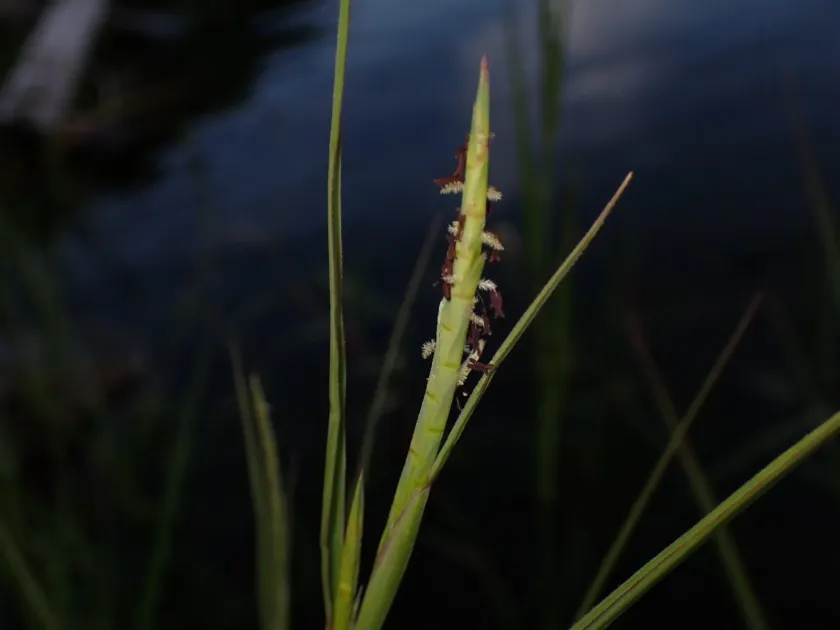
Description
Sowing dates
Siberian Hemarthria is a perennial grass species from the Poaceae family, known for its resilience and ability to thrive in diverse environments. Sowing should be carried out in spring once soil temperatures reach 10–12°C, which facilitates optimal germination and early root development.
The seeds of this species are small, requiring shallow sowing depths of no more than 1–2 centimeters. Proper soil-to-seed contact, achieved through light rolling after planting, is essential for ensuring high seedling emergence rates.
Row-cropping is highly recommended, especially in arid or semi-arid regions. This approach reduces inter-plant competition for moisture and nutrients, allowing for a more robust establishment during the critical first year of growth.
Effective site preparation involves deep plowing and thorough removal of perennial weeds. Since the crop establishes gradually, managing weed pressure during the initial growth stages is vital for securing a healthy, long-lasting stand.
Seeding rates should be adjusted based on seed purity and germination potential. Utilizing certified high-quality seed ensures a uniform distribution and reduces the likelihood of empty spots within the pasture or forage field.
Growing requirements
This crop prefers well-drained, fertile soils with a neutral or slightly acidic pH. While it is tolerant of temporary waterlogging, prolonged saturation can inhibit root health and decrease overall biomass productivity.
Siberian Hemarthria demonstrates significant cold tolerance, making it suitable for regions with harsh winter conditions. It exhibits early spring growth, quickly recovering from dormancy as temperatures rise and the snow cover melts.
Sunlight exposure is a primary driver of biomass accumulation. Fields should be situated in open areas without significant shading from trees or shrubbery to maximize the photosynthetic efficiency of the grass canopy.
Fertilization management, particularly the application of nitrogenous fertilizers early in the season, is crucial for achieving high yields. Proper nutrient balance helps the plant maintain high protein levels throughout the growing cycle.
The species shows moderate drought resistance, allowing it to maintain productivity in conditions where other cool-season grasses might fail. However, supplemental irrigation during peak growth stages significantly enhances total dry matter production.
Yield
The biomass yield of Siberian Hemarthria typically peaks between the second and third years after establishment. As a perennial crop, it provides consistent annual harvests when managed under sustainable grazing or cutting regimes.
The plant possesses a high leaf-to-stem ratio, which is a major advantage for forage quality. The leafy mass is rich in proteins and minerals, providing a nutritionally dense diet for various types of livestock.
Proper harvest intervals allow for multiple cuttings per season. Each subsequent regrowth displays rapid development, provided that soil moisture and nutrient levels are maintained at optimal levels for the species.
In pasture systems, the grass shows excellent tolerance to grazing and trampling. It quickly regrows after being grazed down, ensuring a continuous supply of green forage throughout the grazing season.
Research indicates that Hemarthria sibirica can be a viable component in mixed-grass stands. Its ability to produce substantial biomass on marginal lands makes it a highly valuable asset for efficient farm management.
Main diseases and pests
Rust fungi represent a common threat, particularly in humid or stagnant air conditions. Proper field ventilation and timely harvesting help reduce the accumulation of spores and minimize the spread of fungal pathogens.
Insect pests, such as aphids and various grass-feeding larvae, can hinder growth if infestations are not detected early. Regular scouting of the fields is recommended to determine if integrated pest management interventions are necessary.
Root rots are frequently associated with soil compaction and poor water drainage. Maintaining soil porosity through careful cultivation practices is the primary defense against these subterranean threats.
Invasive weeds can easily outcompete the grass during its establishment phase. Early-stage weed control, whether through mechanical cultivation or targeted mowing, is essential to prevent weed dominance in the field.
Maintaining high plant vigor through balanced fertilization and appropriate grazing density significantly boosts the natural resistance of the stand against environmental and biological stressors.
Harvesting
Harvesting for hay should ideally occur at the booting or early heading stage. This timing captures the highest nutritional profile, providing the best digestibility and energy content for livestock consumption.
For silage production, the crop should be harvested just before full flowering. This window ensures that the biomass contains sufficient soluble sugars, which are critical for the fermentation process during storage.
A cutting height of at least 5–7 centimeters is strictly recommended. Maintaining this height protects the tiller nodes and allows for rapid, healthy regrowth of the sward following the harvest operation.
The use of modern mower-conditioners can significantly reduce field drying times. By cracking the stems, these machines accelerate moisture loss, preserving the nutrient-dense leaves from prolonged sun and wind exposure.
When harvesting for seeds, farmers should monitor maturity carefully to prevent losses from natural shattering. Harvesting at the waxy stage of seed development, followed by quick threshing, minimizes yield loss.