
Limpograss
Hemarthria altissima
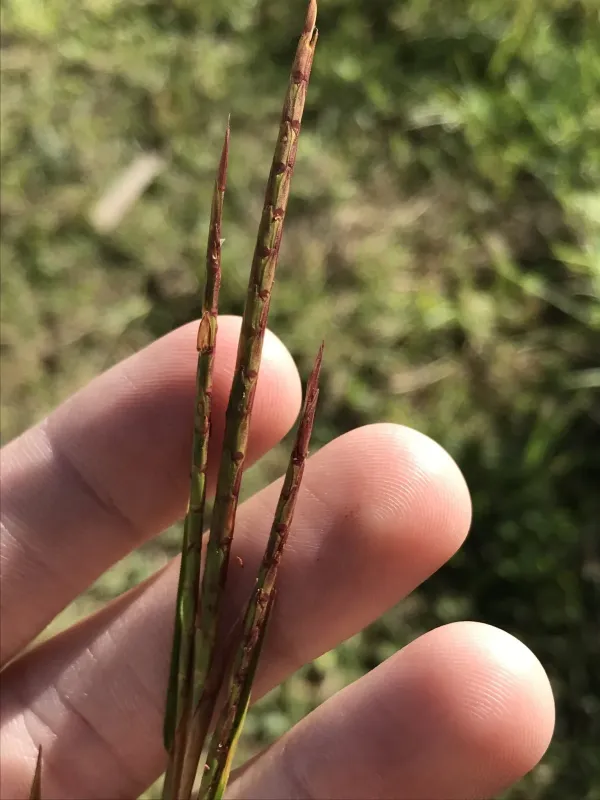
Description
Growing requirements
Limpograss (Hemarthria altissima) is a perennial grass species belonging to the Poaceae family. It is widely recognized in agronomy for its exceptional tolerance to flooding and poor drainage conditions, where other forage grasses typically struggle to survive.
Originating in Africa, this species has been introduced to various tropical and subtropical regions worldwide. Its native habitat includes marshy lands and riverbanks, which defines its preference for high moisture levels and high-humidity environments.
The crop thrives in warm climates and is sensitive to severe frost. It shows remarkable adaptability to various soil types, particularly acidic soils that are often found in wetland areas. Its root system is designed to stabilize the soil surface, providing excellent protection against erosion.
Agronomic management involves primarily vegetative propagation using stolons or stem cuttings, as seed production in many commercial cultivars is limited. Once established, the grass spreads rapidly, forming a dense canopy that can suppress invasive weed species.
In terms of agricultural utility, limpograss is prized for its high biomass production. It serves as a vital source of forage for livestock, especially when maintained at a nutritional stage through proper grazing management or mechanical harvesting.
Main diseases and pests
The primary diseases affecting limpograss are fungal infections, particularly leaf blights, which thrive in high-humidity conditions. Proper field drainage and timely harvesting can help mitigate the spread of these pathogens.
Insects, such as armyworms, can be detrimental to limpograss stands, causing rapid defoliation if left uncontrolled. Integrated pest management strategies, including monitoring and biological or chemical control, are essential for maintaining yield levels.