
Hemarthria compressa
Hemarthria compressa
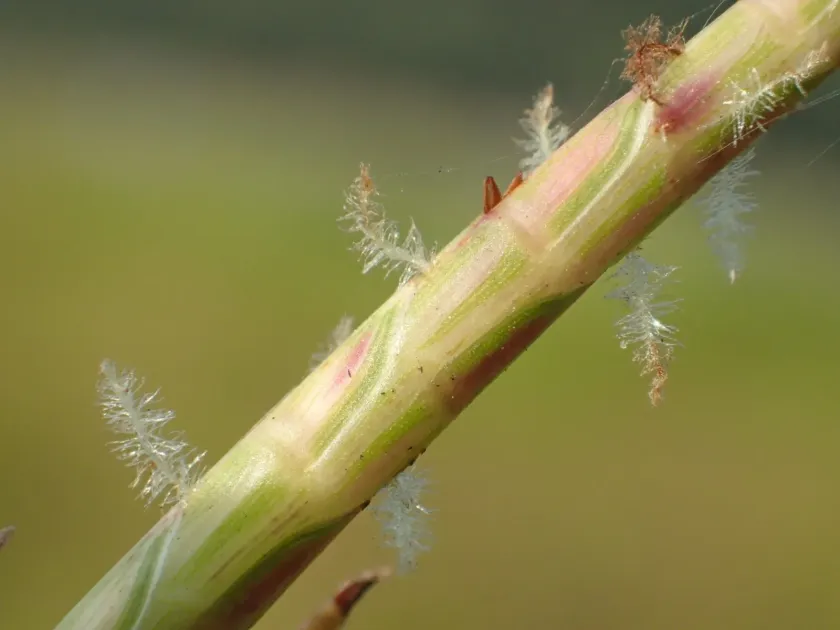
Description
Sowing dates
Hemarthria compressa is primarily propagated vegetatively, as this method ensures the rapid establishment of a dense sward in suitable climates.
Cuttings or stem segments are typically planted at the onset of the wet season, ensuring optimal moisture availability for successful rooting.
The seedbed must be properly prepared through deep plowing and leveling to facilitate the spread of rhizomes across the cultivated area.
Planting density is a critical factor, as it determines how quickly the ground will be covered and protected from potential soil erosion.
While seed propagation is biologically possible, vegetative planting remains the standard practice for farmers looking for uniform and predictable growth.
Growing requirements
This grass species is native to tropical and subtropical regions and is well-adapted to environments where other forage crops might struggle.
Hemarthria compressa thrives in moist to waterlogged soil conditions, making it an excellent choice for low-lying areas prone to seasonal flooding.
It prefers full sun exposure and is not suited for areas with significant shade, which can inhibit its vigor and overall biomass production.
The plant demonstrates versatility regarding soil types, performing well on soils with acidic to neutral pH values, including those with lower fertility.
Temperature sensitivity is a limiting factor, as the species is essentially tropical and cannot survive sustained exposure to frost or freezing temperatures.
Yield
The primary economic value of this crop lies in its ability to produce high yields of palatable forage suitable for both grazing and hay production.
Strategic nitrogen fertilization throughout the growing season is recommended to maximize the biomass output of the established grass stands.
The species is known for its rapid recovery rate after being grazed or harvested, allowing for high-frequency rotation in intensive grazing systems.
Managing the plant before it reaches maturity is essential to maintain high digestibility and nutrient levels for livestock consumption.
- Provides reliable forage when other grasses enter dormancy.
- Excellent adaptability to heavy soil types.
- Sustainable feed source for diverse livestock species.
Main diseases and pests
Hemarthria compressa is relatively resistant to many common cereal diseases, reducing the need for intensive chemical plant protection programs.
Insect pests can occasionally affect the stands, yet the plant's robust nature allows it to recover well with proper management practices.
Fungal issues are the main concern, especially in areas with poor ventilation and stagnant air combined with high ambient humidity.
Overgrazing represents a major threat, as it can weaken the root system and reduce the long-term sustainability of the pasture area.
Integrated pasture management is the best defense, emphasizing the need for scheduled rest periods to prevent degradation of the grass coverage.
Harvesting
For high-quality hay or silage, mowing should occur before the plants reach the flowering stage to retain the highest possible protein content.
Grazing management should be adjusted based on the growth stage of the plant, ensuring that cattle do not overconsume the basal regrowth sections.
Machinery used for harvesting must be capable of handling a dense and resilient sward to ensure a clean and efficient harvest process.
In regions with distinct seasons, the final harvest or grazing cycle should be timed to allow for sufficient storage of nutrients before the dormant period.
Maintaining a specific height of stubble during harvest helps stimulate rapid regrowth, essential for the continuity of the grazing schedule.