
Helicteres hirsuta
Helicteres hirsuta
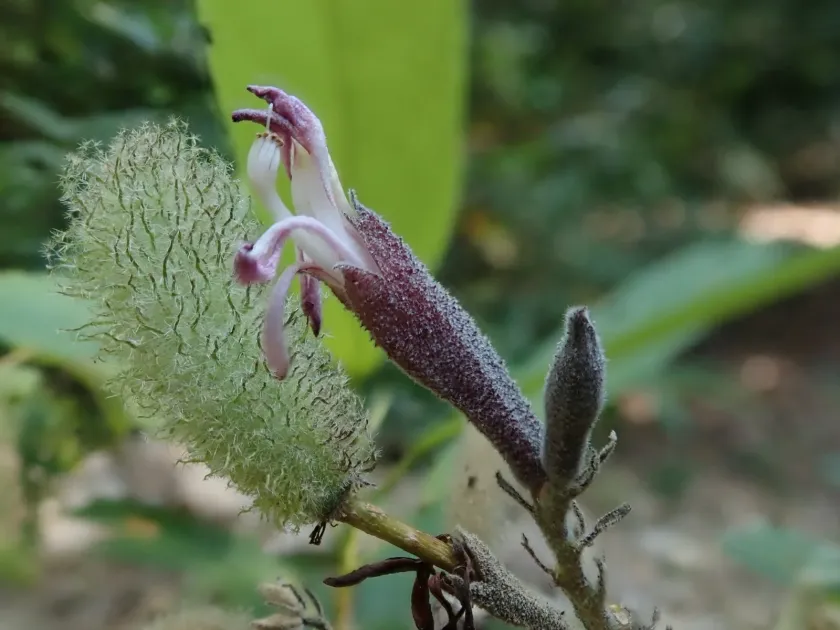
Description
Sowing dates
Helicteres hirsuta is a heat-loving perennial that requires controlled environments, such as greenhouses, for successful cultivation in temperate climates. The optimal time for sowing is early spring, once soil temperatures stabilize above 20-22 degrees Celsius.
The seeds possess a hard seed coat and require scarification to enhance germination rates. They should be sown in a high-quality, organic-rich substrate, buried approximately 1-2 centimeters deep to allow for adequate oxygen exchange.
In its native tropical range across Southeast Asia, the plant propagates naturally during the onset of the rainy season. Under agricultural conditions, maintaining consistent substrate moisture is critical until the initial seedlings emerge.
Utilizing a seedling tray method is recommended for better survival rates, as young plants are highly sensitive to nighttime temperature fluctuations. Transplanting to a permanent location should only occur once the risk of frost has passed.
Spacing is a vital consideration due to the shrub's expansive growth habit. Plan for at least 1-1.5 meters between individual plants to ensure proper airflow and root development for each specimen.
Growing requirements
Belonging to the Malvaceae family, this species has strict thermal requirements. Active growth depends on consistent light exposure and protection from cold, drying winds that can damage its characteristic hairy foliage.
The soil must feature excellent drainage capabilities, as waterlogging is lethal to Helicteres hirsuta roots. Sandy loam or well-draining soil mixes with a neutral to slightly acidic pH level are ideal for this culture.
The plant exhibits unique morphology, with hirsute stems and leaves acting as a protective barrier against extreme heat and excessive transpiration. High ambient humidity is a fundamental requirement for the healthy development of this species.
During the active growth phase, regular applications of balanced fertilizers with a nitrogen focus are beneficial for foliage production. As the plant matures, nitrogen requirements decrease, shifting towards phosphorus and potassium for root and bloom development.
Routine sanitary pruning is necessary to shape the canopy and stimulate more prolific flowering. Furthermore, maintaining loose soil in the root zone through gentle cultivation ensures the aerobic conditions necessary for optimal growth.
Yield
The primary agricultural interest in Helicteres hirsuta lies in harvesting its roots and stems, which are highly valued in traditional medicine. Yield levels are significantly influenced by lighting intensity and strict irrigation schedules.
The plant reaches its maturity for raw material harvesting within 2-3 years. The ideal time for collection is during peak flowering, which is when the concentration of key bioactive compounds is highest.
A mature shrub can yield several kilograms of dried raw material if agricultural practices are strictly followed. Post-harvest, material must be dried in shaded, well-ventilated areas to preserve its medicinal integrity.
Beyond pharmacological uses, the plant may serve decorative purposes in landscape design within warmer climatic zones. The fruit capsules are typically harvested only when seeds are needed for further propagation.
Economic viability remains strong for farmers who focus on producing high-quality, clean raw material specifically tailored for the pharmaceutical and nutraceutical industries.
Main diseases and pests
Fungal infections are the most significant threat to Helicteres hirsuta, particularly when soil moisture levels are poorly managed. Root rot remains the primary concern, requiring immediate drainage correction to prevent plant loss.
Common pests include spider mites and aphids, which thrive during dry spells. Regular inspection of the undersides of the leaves is essential for early detection and mitigation of these insect populations.
Biological control agents are strongly recommended over chemical alternatives, as the plant's medicinal use makes the presence of pesticide residues undesirable. Preventive treatments should be applied at the start of the growth season.
Powdery mildew can occur during periods of erratic nighttime temperatures, especially in greenhouse environments. Ensuring adequate air circulation is the best preventive measure against such common Malvaceae diseases.
Implementing proper crop rotation and strictly removing plant debris at the end of the season significantly reduces the risk of soil-borne pathogens, ensuring a healthier crop cycle for subsequent years.