
Helicteres guazumifolia
Helicteres guazumifolia
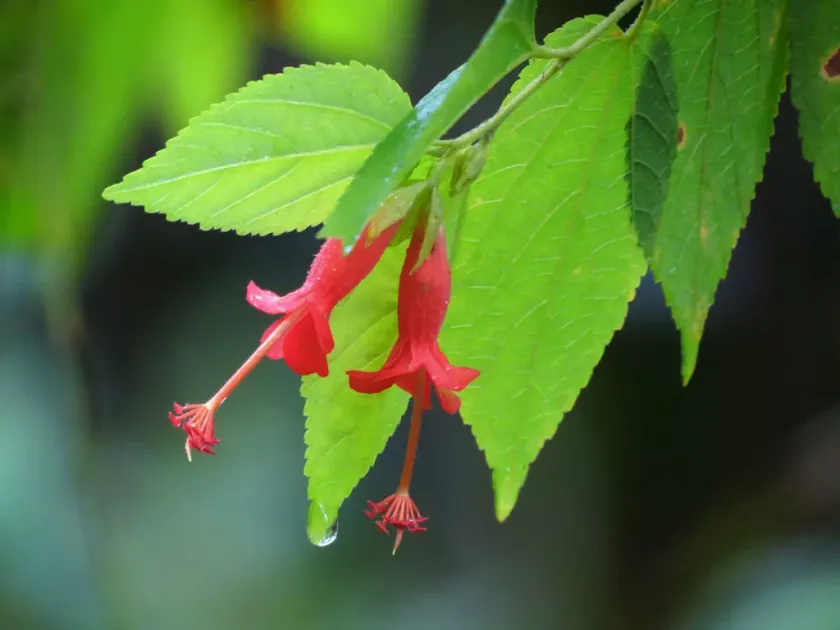
Description
Growing requirements
Helicteres guazumifolia is a perennial shrub belonging to the Malvaceae family, widely distributed across the tropical regions of Central and South America. It thrives in open, sunny environments and is often found as a pioneer species on degraded land.
The crop is highly adaptable to soil conditions, performing well on poor, well-drained soils. However, to maximize plant vigor and fiber production, it is recommended to cultivate it in soil rich in minerals, ensuring the root system receives sufficient oxygen to prevent stagnation.
Climate preferences involve warm, humid conditions. Helicteres guazumifolia does not tolerate frost and grows best in regions where temperatures remain stable above 20 degrees Celsius throughout the vegetative cycle. It demonstrates significant resilience to temporary dry spells due to its evolutionary adaptation.
Botanically, this shrub is recognized by its spirally twisted fruits and heart-shaped leaves covered in fine pubescence. These adaptations allow the plant to regulate transpiration and survive in exposed habitats where it competes for light and space.
Regarding its utility, the plant is primarily harvested for its stem fibers. The bast fibers are valued for their tensile strength and flexibility, making them a traditional material for producing ropes, weaving crafts, and agricultural binding materials in its native range.
Main diseases and pests
The main threat to plant health is root rot caused by stagnant water, which can destroy the root system of the crop. Proper soil management and landscape grading are essential for protecting the plantation from moisture-related pathogens.
Pest management for Helicteres guazumifolia involves monitoring for sap-sucking insects that might affect leaf health. By maintaining plant density and promoting biodiversity, farmers can minimize the impact of pests on the yield of this robust tropical shrub.