
Hedyotis uncinella
Hedyotis uncinella
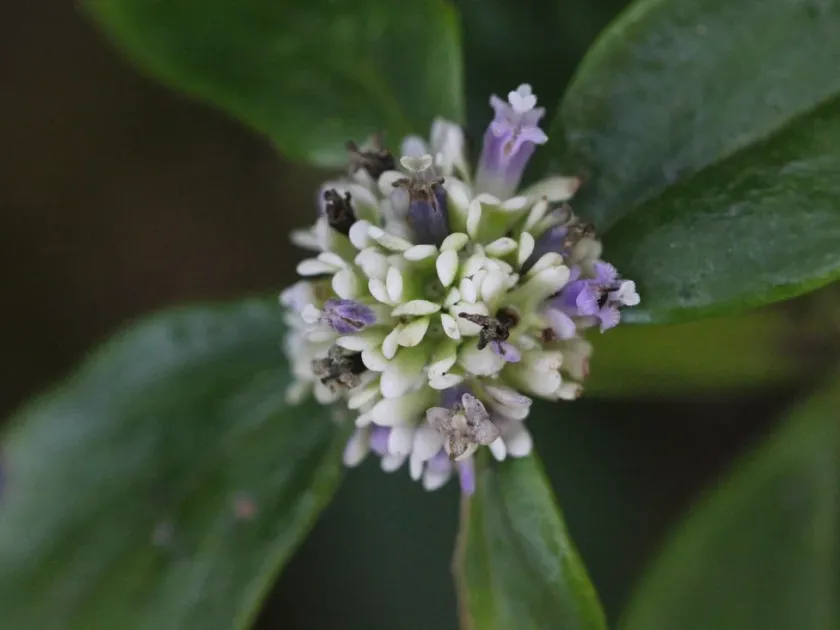
Description
Sowing dates
Sowing this crop requires strict adherence to temperature regimes, as seeds are sensitive to spring temperature fluctuations. The optimal period for sowing starts when soil temperatures at seeding depth reach 15-18 degrees Celsius.
To ensure uniform emergence, pre-sowing seed stratification is highly recommended, as it significantly increases germination rates in field conditions. Seeding depth must be minimal, as the seeds have limited energy reserves for soil emergence.
The sowing pattern is determined by the intended use of the crop and soil fertility. Row planting is generally practiced to ensure adequate light exposure for early-stage development and to facilitate mechanical weed control.
After seeding, the field requires thorough compaction of the topsoil layer to improve capillary water rise toward the seeds. In regions with erratic rainfall, irrigation systems are necessary immediately following the planting process.
Rotational planting on the same plot is possible, provided that crop rotation principles are followed. It is strongly advised not to plant this crop after other members of the same botanical family to prevent pathogen accumulation.
Growing requirements
Hedyotis uncinella, belonging to the Rubiaceae family, prefers well-drained, fertile loamy soils with a neutral or slightly acidic pH. The plant is extremely sensitive to waterlogging in the root zone, which can lead to rapid root rot.
Climate requirements are dictated by the species' tropical and subtropical origin. The plant thrives under high light intensity and requires protection from cold winds that can physically damage tender vegetative tissues.
Maintaining stable soil moisture levels is critical during the active vegetative growth phase. However, the crop demonstrates moderate resilience to short-term dry spells if the soil was properly prepared and moisture was stored previously.
To maximize yields, soil should be enriched with organic fertilizers during the primary pre-planting tillage. Mineral nutrition must be balanced, focusing on nitrogen supply during the active vegetative stage.
Agronomic practices include regular inter-row cultivation to prevent surface crust formation. This enhances root zone aeration and promotes more efficient nutrient uptake from the deeper soil layers.
Yield
The yield of Hedyotis uncinella depends heavily on the management level and strict adherence to the growth cycle. Under industrial farming conditions with intensive technology, it is possible to reach high levels of biomass output.
Maximum productivity is achieved at an optimal planting density per unit area. Oversaturated stands can lead to a decrease in marketable quality due to inter-plant competition for light and mineral resources.
Harvesting is performed during the phase of maximum concentration of active biological compounds, which usually coincides with the beginning of mass flowering. Exact timing is determined through laboratory analysis of the raw material.
Post-harvest processing includes rapid drying of the harvested material at controlled temperatures. This prevents mold development and preserves the qualitative indicators of the raw material during storage.
Standardization of the product requires thorough cleaning of impurities and weed debris. Final storage must take place in rooms with low humidity and protection from direct sunlight.
Main diseases and pests
Major threats to the crop include fungal diseases that develop under high humidity conditions. Various types of leaf spots can spread rapidly through the field, significantly degrading the quality of the raw material.
Pests, such as spider mites and aphids, can cause significant damage during dry periods. They extract cell sap, leading to the deformation of young shoots and a decrease in the overall plant vigor.
Disease prevention involves following strict crop rotation schedules and early weed management. Healthy, certified seed material is a fundamental factor in controlling the phytosanitary state of the field.
In cases of high pest populations, biological control methods are applied to minimize chemical impact on the final product. Chemical insecticides are only permitted when the economic threshold of damage is exceeded.
Crop monitoring should be conducted weekly throughout the entire growing season. Early detection of initial symptoms allows for the localization of infection foci, preventing large-scale crop losses.