
Hedyotis fruticosa
Hedyotis fruticosa
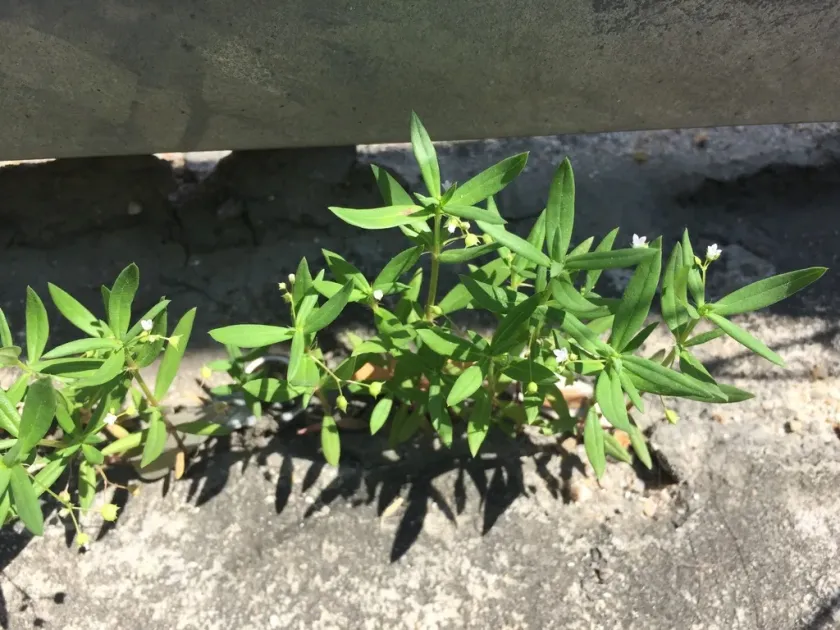
Description
Growing requirements
Hedyotis fruticosa is a woody shrub belonging to the Rubiaceae family. It is known for its resilient growth habit and persistent evergreen foliage, which makes it a notable species within its native range in tropical Southeast Asia.
The plant thrives in warm, humid climates, requiring consistent temperatures and protection from frost. Its development is most vigorous in tropical zones where the humidity levels remain high throughout the active growing seasons.
Agricultural requirements include well-draining, nutrient-rich soils. The plant is particularly sensitive to waterlogging, which often leads to root damage; therefore, managing soil texture and implementing effective drainage systems is essential for successful cultivation.
Agronomic management involves regular pruning to encourage bushy growth and maximize foliage production, which is often the primary focus for commercial harvesting. Proper spacing is also crucial to ensure adequate airflow and light penetration across the plantation.
The economic value of this crop is rooted in its pharmacological potential. Research indicates that various extracts from the plant contain bioactive compounds that are increasingly explored for use in herbal medicine and modern dietary supplements.
Main diseases and pests
Common phytopathological threats include fungal infections such as powdery mildew and damping-off, particularly in nursery stages. Maintaining optimal humidity and air circulation is the primary strategy to prevent these diseases from spreading.
Insect pests, including aphids and spider mites, pose a significant risk by damaging the succulent young shoots. Integrated pest management, focusing on biological controls and monitoring, is recommended to protect the crop's yield and quality.