
Hedyotis diffusa
Hedyotis diffusa
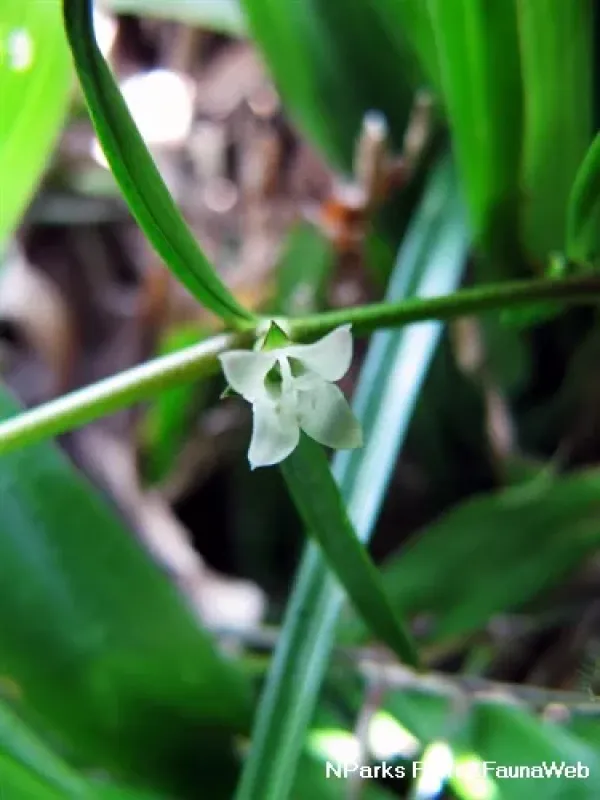
Description
Sowing dates
Hedyotis diffusa is a thermophilic plant that requires warm soil conditions for successful germination, typically sown after the risk of frost has passed.
The ideal time for sowing is late spring when temperatures are consistently above 18 degrees Celsius, ensuring rapid development of the root system.
Seeds are extremely small, necessitating a shallow planting depth; they should be lightly covered with fine, moist soil to facilitate optimal contact and moisture retention.
In regions with shorter growing seasons, starting the crop in greenhouse trays is highly recommended to ensure mature plants are ready for transplanting.
Maintaining consistent moisture levels during the germination phase is critical, as the seedlings are delicate and susceptible to drought during their initial growth stages.
Growing requirements
This crop thrives in well-lit areas with fertile, well-draining loam soils, as it requires abundant light to maximize its medicinal compound production.
The plant belongs to the Rubiaceae family and prefers a moist environment, yet it is extremely sensitive to waterlogged conditions, which can lead to root decay.
Balanced fertilization, focusing on nitrogen during the vegetative phase and phosphorus during flowering, helps in achieving high-quality herbal biomass.
Effective weed management is essential during the first weeks of the plant's life, as Hedyotis diffusa is not particularly competitive against invasive grasses.
Air circulation is vital for the health of the plants; therefore, maintaining proper spacing between rows is a necessary agrotechnical practice to avoid fungal issues.
Yield
Yield efficiency is highly dependent on precise irrigation management and the nutrient status of the soil, which should be carefully monitored throughout the season.
High-yield plantations typically use drip irrigation systems that ensure constant hydration without wetting the leaves, thereby reducing the risk of disease.
Harvesting at the correct phenological stage is the most important factor in ensuring high-quality yields with optimal levels of active plant compounds.
Consistent care, including manual or mechanical weeding, significantly increases the biomass per hectare compared to unmanaged or minimally managed crops.
Modern farming practices, including the use of high-quality organic amendments, have shown positive trends in increasing the total output of dry herb material.
Main diseases and pests
Root rot and stem blight are the most common diseases, usually appearing in fields with poor drainage or excessive humidity during the peak of summer.
Pests like aphids and spider mites can damage the leaves, which significantly impacts the photosynthetic capacity and, consequently, the yield of the herb.
Preventative measures include crop rotation and the selection of disease-free areas to reduce the pathogen load in the soil before planting.
Integrated pest management strategies are preferred to ensure the final product meets pharmaceutical safety standards and remains free of harmful residues.
Regular inspection of the fields allows for early detection of potential threats, enabling the grower to act before an outbreak causes significant damage.
Harvesting
The harvesting process should be executed during the peak flowering stage to ensure the highest possible concentration of medicinal constituents in the plant tissue.
Plants are harvested by cutting the stems several centimeters above the ground, which allows for clean, efficient collection without contaminating the harvest with soil.
Post-harvest handling is critical; the material must be moved quickly to drying facilities to prevent oxidation and the loss of essential plant oils.
Drying is performed in climate-controlled rooms where temperatures are maintained at moderate levels to preserve the integrity of the active ingredients.
Once dried to the required moisture content, the crop is sorted, cleaned of debris, and packaged in protective containers for long-term storage or shipment.