
Hedyotis hispida
Hedyotis hispida
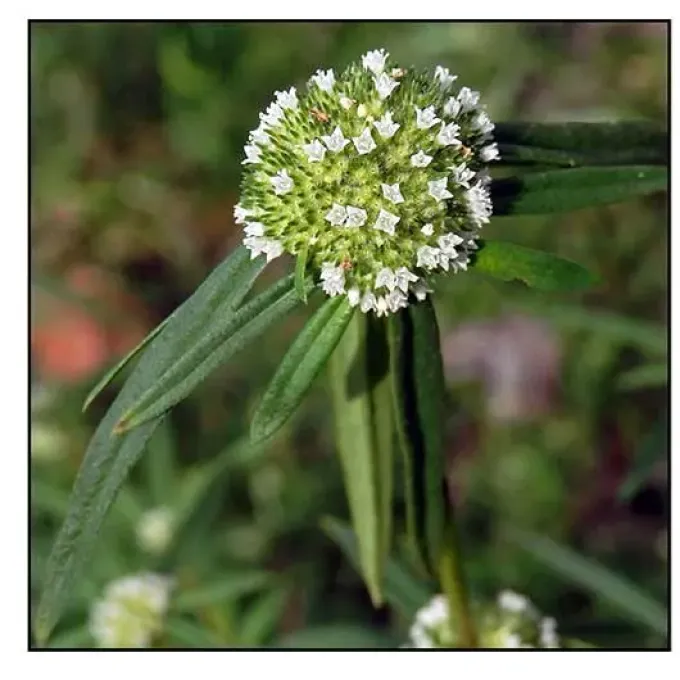
Description
Sowing dates
Sowing Hedyotis hispida is typically carried out in the spring when soil temperatures reach 15–18 degrees Celsius. To ensure uniform germination, seeds should be pre-treated through stratification or soaking in growth stimulants to improve overall emergence rates in field conditions.
The optimal planting depth for the seeds is 1–2 centimeters, as the crop is highly sensitive to depth variations. Maintaining consistent moisture in the upper soil layer during the first two weeks post-sowing is crucial for preventing seedling desiccation.
In commercial farming, a row-sowing method with a spacing of 30–45 centimeters between rows is recommended. This setup facilitates mechanical weeding and soil aeration during the early growth stages, which is vital for this relatively slow-developing plant.
To achieve a stable and dense crop stand, a planting density of 500,000 to 800,000 plants per hectare is suggested. Using precision seed drills minimizes seed waste and ensures an even distribution of plants across the field.
Autumn sowing is only viable in regions with mild climates where frost damage to seedlings is not a risk. In colder zones, spring cultivation using temporary tunnel covers at the start of the season is preferred for better yield results.
Growing requirements
Hedyotis hispida, a member of the Rubiaceae family, thrives in well-drained sandy loam or light loam soils with a neutral to slightly acidic pH. The plant is highly intolerant of waterlogging, making proper drainage systems essential for sites with high groundwater levels.
This crop is heliophilic, requiring open and well-lit areas to maximize biomass production. Shade exposure often results in spindly stems and a significant reduction in the concentration of active medicinal compounds within the plant tissues.
The thermal optimum for development ranges from 20 to 25 degrees Celsius. Prolonged exposure to temperatures exceeding 30 degrees Celsius can impede photosynthetic efficiency, necessitating supplemental irrigation and the application of mulch to preserve soil coolness.
Agrotechnical management requires moderate application of nitrogen fertilizers during the vegetative growth phase. However, excessive nitrogen can degrade the quality of the medicinal raw material, shifting the focus towards phosphorus and potassium fertilizers to improve structural integrity.
Early-stage weed control is a fundamental requirement. Because Hedyotis hispida has limited competitive ability, timely cultivation between rows is necessary to prevent weeds from outcompeting the crop for nutrients and sunlight.
Main diseases and pests
Root rot is the primary threat to the crop, typically triggered by improper irrigation management or poor soil drainage. Disease prevention relies heavily on strict crop rotation protocols, ensuring the crop does not return to the same plot for at least 3–4 years.
In humid conditions, powdery mildew can become a significant issue. Visible as a white fungal layer on the leaves, this condition requires immediate removal of affected plant parts and the application of specialized biological fungicides to prevent further spread.
Pests such as spider mites and aphids are known to feed on young shoots, potentially damaging the crop. Insecticide use must be strictly managed and discontinued well before the flowering period to ensure the safety and purity of the harvested material.
Nematode infestations can occur in lighter, sandy soils. Effective mitigation strategies include using phytosanitary cover crops in the season prior to planting to naturally cleanse the soil of harmful pathogens.
Farmers are advised to use only certified, high-quality seeds that have undergone standard pre-sowing treatments to minimize the risk of infection and ensure a robust and healthy crop development from the start.
Harvesting
The harvest of Hedyotis hispida is conducted during the phase of mass flowering, when the concentration of medicinal constituents is at its peak. Timing the harvest accurately is critical to maintaining the pharmacological value of the crop.
Mechanical harvesting is performed by mowing the green mass at a height of 5–7 centimeters above the soil level. Harvesting must be carried out in dry weather conditions, as moisture on the foliage can complicate the drying process and encourage mold growth.
Once harvested, the raw material should be immediately transported to a drying facility. The optimal drying temperature is 40–45 degrees Celsius, as higher temperatures can cause the degradation of volatile oils and sensitive biological components.
Using ventilated shelves or industrial dehydrators is standard practice for ensuring even airflow during the drying process. The crop is considered fully dried when the stems become brittle and break easily upon bending.
Post-drying, the material undergoes shredding, sorting, and packaging in airtight containers. This protects the final product from absorbing atmospheric humidity and prevents the loss of commercial quality during storage and transportation to processing plants.