
Hedyotis lindleyana
Hedyotis lindleyana
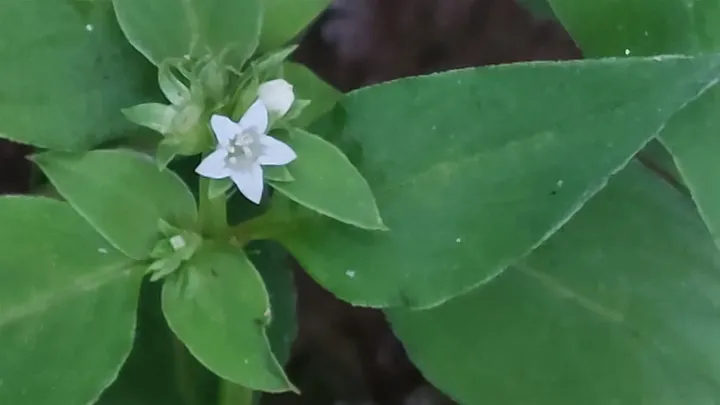
Description
Sowing dates
Sowing Hedyotis lindleyana requires a well-prepared seedbed, ideally in the early spring once the soil temperature is consistently above 18°C.
Seeds are small and should be sown at a shallow depth of approximately 0.5 cm to ensure adequate germination while preventing excessive drying.
It is recommended to maintain a spacing of at least 25 cm between rows, which allows for better air circulation and easier management of weeds throughout the growing season.
Seedlings can be started in controlled greenhouse environments to protect them from unpredictable late frosts, ensuring a stronger start for the plants.
Once true leaves appear, seedlings should be thinned to avoid overcrowding, which is essential for maximizing the yield and quality of the final harvest.
Growing requirements
As a member of the Rubiaceae family, Hedyotis lindleyana thrives in environments that provide consistent warmth and moderate levels of humidity.
The ideal soil is sandy loam or well-draining organic-rich soil, as the plant is highly sensitive to waterlogged conditions that induce root rot.
Consistent light exposure is necessary for the plant to reach its full biomass potential, though it may require slight shading during the peak of summer heat.
The plant requires a balanced nutrient profile, particularly during the vegetative phase, where nitrogen helps promote rapid development of stems and foliage.
Regular irrigation is vital, preferably applied via drip systems to keep the soil moist but not saturated, which supports the plant's physiological development.
Yield
Yield performance is heavily influenced by soil fertility and the frequency of cultivation practices like weeding and supplemental fertilization.
Well-maintained plots can produce multiple harvests within a single growing cycle if the plants are pruned correctly, stimulating new vegetative growth.
Monitoring the plant's health during the peak growth phase is crucial to ensuring that the maximum biomass is accumulated before the onset of flowering.
Yield consistency is achieved through careful management of plant density and ensuring that the water supply matches the growth stage requirements.
Harvesting at the right moment—typically before full flowering—ensures the highest quality of the desired plant extracts and botanical compounds.
Main diseases and pests
Common threats to Hedyotis lindleyana include soil-borne fungi that thrive in poor drainage conditions, leading to stunted growth or total plant failure.
Pests such as aphids and mites often target the succulent new growth, so consistent monitoring is necessary to prevent significant infestation levels.
Weed management is a critical component of the agronomic program, as competition for light and nutrients can severely diminish the total crop output.
Integrated pest management, including the use of beneficial insects and resistant cultivars, is the preferred strategy for maintaining plant health.
Proper sanitation of tools and field equipment is essential to prevent the spread of diseases from neighboring plots or previous crop cycles.
Harvesting
Harvesting should be done manually or with precision equipment in the early morning to ensure the moisture content of the foliage is optimal for drying.
The stems are typically cut just above the ground level, encouraging the plant to sprout secondary branches and extend the production window.
Post-harvest handling must be quick; the harvested biomass should be spread out in a thin layer in a well-ventilated, shaded area to begin drying immediately.
Controlled air drying preserves the integrity of the essential components, preventing the loss of potency caused by overheating or prolonged moisture exposure.
Final storage requires cool, dark, and dry conditions to prevent spoilage and maintain the quality of the processed botanical material for industrial use.