
Hedyotis prostrata
Hedyotis prostrata
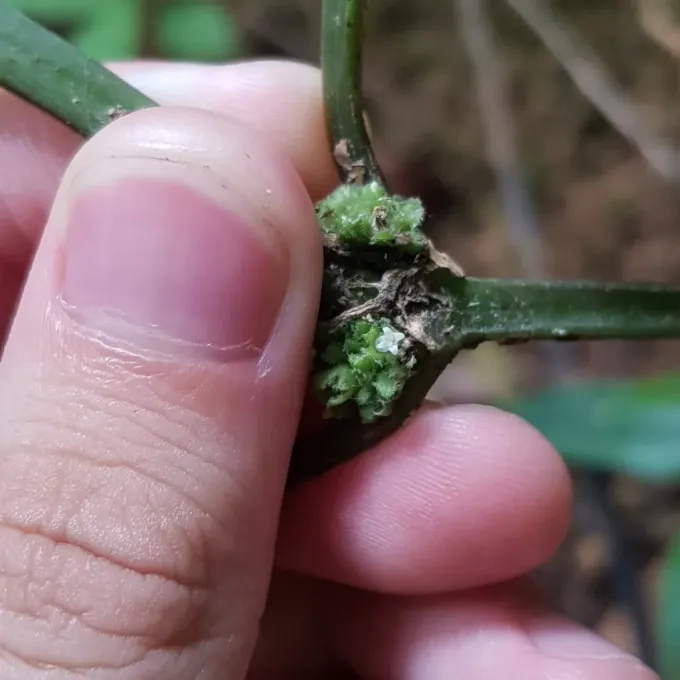
Description
Sowing dates
Hedyotis prostrata is a perennial herbaceous plant belonging to the Rubiaceae family. Native to tropical environments, it is recognized for its creeping growth habit and potential utility in various agricultural and pharmaceutical applications.
Sowing should be carried out in a greenhouse or nursery setting with controlled temperatures of 22-26 degrees Celsius. Seeds are very small and should be scattered over the surface of a fine, moist potting medium without deep burial.
The germination period typically ranges from 14 to 21 days. During this time, it is critical to maintain constant surface moisture using fine misting to prevent the seeds from drying out before they take root.
Once seedlings reach a height of 5-7 centimeters, they can be transplanted into larger containers or field beds. A spacing of 20 centimeters between individual plants is recommended to allow for adequate airflow and lateral growth.
Establishing the crop requires careful selection of site. It performs best in areas that mimic its native tropical habitat, providing shelter from harsh winds and intense midday sun.
Growing requirements
The crop requires consistent moisture levels to thrive. Drought stress should be avoided at all costs, as it quickly leads to leaf senescence and a significant reduction in the synthesis of active plant compounds.
Soil composition must be rich in organic matter with a slightly acidic pH, typically between 5.5 and 6.5. Good drainage is non-negotiable, as the roots are highly susceptible to suffocation in waterlogged soils.
Lighting requirements involve bright, filtered light. While the plant can tolerate some shade, consistent exposure to extreme sunlight can bleach the foliage and reduce the nutritional or medicinal quality of the harvested biomass.
Temperature management is key to year-round production. The ideal thermal range is 20-30 degrees Celsius. In regions where temperatures fall below 15 degrees, protection or indoor cultivation becomes mandatory to prevent plant death.
Nutrient supply should be managed through periodic application of liquid fertilizers, particularly those rich in nitrogen during the initial growth phase, and balanced NPK blends to support healthy canopy development.
Main diseases and pests
Common pests include spider mites and aphids, which are particularly problematic in dry, warm indoor environments. Integrated pest management, including the use of beneficial insects, is highly recommended.
Fungal pathogens such as Pythium and Rhizoctonia pose a constant threat to the root system. Overwatering and poor soil aeration are the primary drivers of these infections, making irrigation control the best preventative strategy.
Leaf spots, often caused by bacterial or fungal agents, can spread rapidly if foliage stays wet for extended periods. Ensuring good vertical airflow and avoiding overhead irrigation can significantly mitigate these risks.
Root-knot nematodes can severely limit the growth of the crop by attacking the root system, causing stunted development. Crop rotation and soil solarization or steaming are effective methods for reducing soil-borne pathogen populations.
Regular sanitation, including the removal of dead or dying plant material, is essential to minimize the inoculum load within the growing environment. This practice helps to keep the crop healthy throughout its cycle.