
Hedyotis procumbens
Hedyotis procumbens
Description
Growing requirements
Hedyotis procumbens is a member of the Rubiaceae family, widely recognized for its prostrate growth habit. This plant is indigenous to tropical regions where it thrives under canopy shade, requiring consistent moisture and warmth to maintain its vegetative vigor.
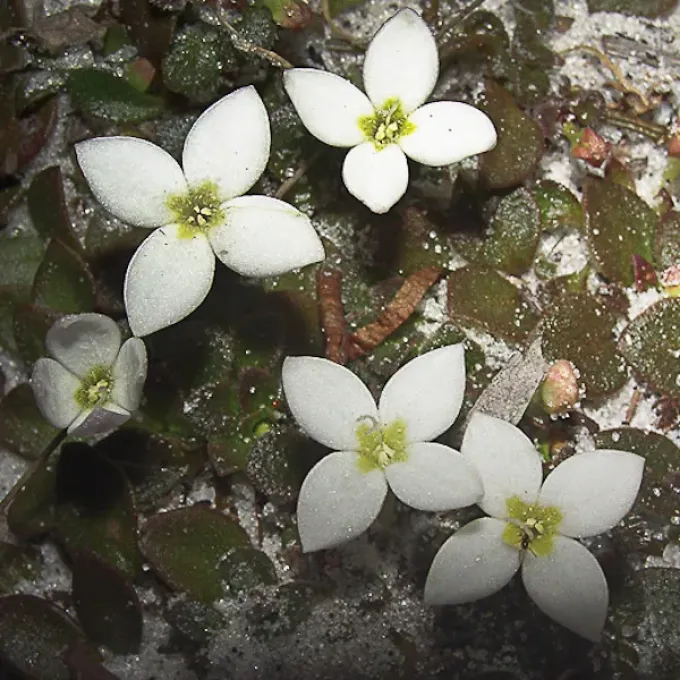
Botanically, it features small, opposite leaves and delicate flowers that facilitate self-pollination. Its physiological adaptation to tropical climates means it requires stable temperatures, ideally between 20°C and 30°C, and protection from direct frost at all stages of development.
The soil requirements involve a well-draining, nutrient-rich medium with a slightly acidic profile. Achieving a pH balance between 5.5 and 6.5 is essential to prevent nutrient lock-out, specifically regarding micronutrients like iron and manganese, which are vital for foliage health.
Agricultural management requires careful attention to irrigation precision. The root system is delicate and prone to waterlogging, necessitating the use of specialized growing media that facilitate oxygen exchange while retaining sufficient moisture for continuous growth cycles.
Economically, Hedyotis procumbens is studied for its potential in the pharmaceutical industry due to the presence of specific phytochemicals. Sustainable harvesting methods are being developed to ensure the preservation of wild populations while exploring commercial cultivation viability.
Main diseases and pests
The main pathological threats to the crop include fungal pathogens such as Rhizoctonia and Pythium. These organisms typically thrive in conditions of high humidity and poor air circulation, often leading to rapid tissue decay and seedling mortality.
Pest pressure is primarily driven by sap-sucking insects like spider mites and aphids. These pests can rapidly colonize the plant canopy in controlled environments, causing physiological stress, leaf yellowing, and significantly reducing the overall market value of the harvest.
Integrated Pest Management (IPM) is the recommended approach for this species. This involves introducing natural predators, such as predatory mites, to control pest populations naturally, thereby reducing the reliance on synthetic chemical interventions that could harm the plant's chemistry.
Cultural control methods include ensuring adequate spacing between plants to improve airflow and reducing leaf wetness duration. These practices effectively mitigate the environmental conditions that favor the development of fungal and bacterial leaf spots.
Effective monitoring involves regular visual inspections for early signs of chlorosis or pest colonies. Implementing rigorous sanitization protocols for all tools and greenhouse structures significantly reduces the risk of introducing cross-contamination and outbreak cycles.