
Hedyotis pinifolia
Hedyotis pinifolia
Description
Growing requirements
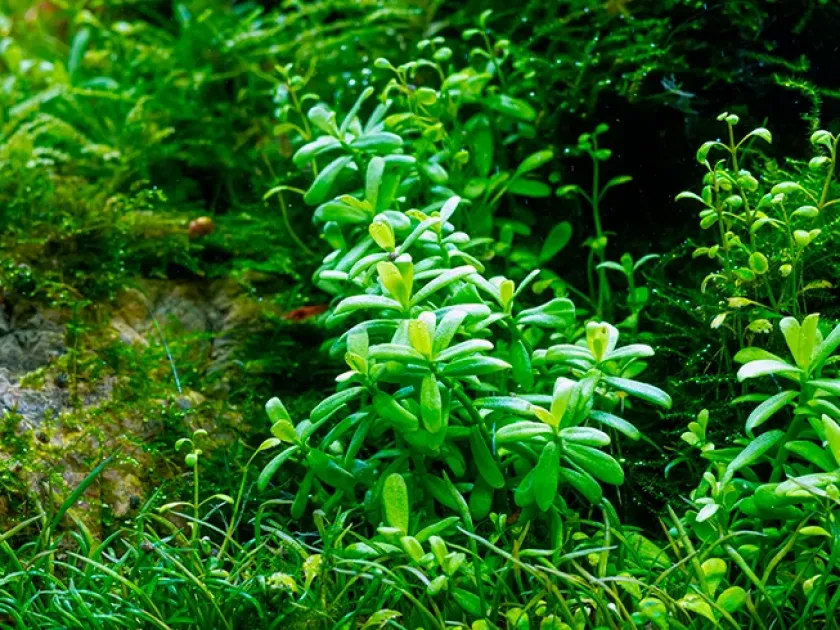
Hedyotis pinifolia is a member of the Rubiaceae family, known for its distinct needle-like foliage. The plant is native to tropical regions of Asia, where it thrives in humid environments.
Botanically, it presents as a perennial herb with slender, narrow leaves and branching stems. Its growth pattern is typically compact, making it suitable for specific cultivation environments.
Successful cultivation requires soil that is rich in organic matter, well-draining, and slightly acidic. Proper soil aeration is critical to support healthy root development and prevent stunting.
The plant demands high humidity levels and constant access to moisture without waterlogging. Temperature management is essential, with an ideal range between 22 and 28 degrees Celsius.
Economically, Hedyotis pinifolia is utilized in traditional pharmacological research due to its secondary metabolites. It is also grown as a specialty crop in niche nursery markets.
Main diseases and pests
Root rot caused by fungal pathogens is the primary threat to this crop, particularly when cultivation substrates lack adequate drainage or air circulation.
Spider mites are common pests that thrive in the dry air often found in greenhouses, leading to chlorosis and potential plant death if left untreated.
Thrips can also infest the plants, targeting tender foliage and causing deformities in the overall structure of the herb, which impacts yield and quality.
Proactive management involves monitoring humidity levels and ensuring that spacing between plants is sufficient to allow for good airflow and light penetration.
Integrated pest management strategies, including the use of neem oil or biological controls, are recommended to maintain plant health without relying on harsh chemicals.