
Hedyotis paniculata
Hedyotis paniculata
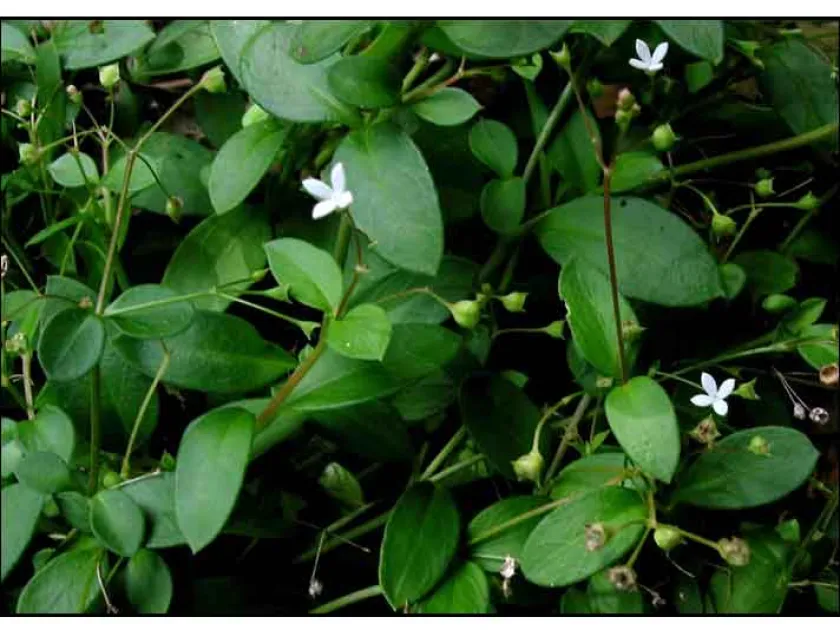
Description
Growing requirements
Hedyotis paniculata is a botanical species belonging to the Rubiaceae family, widely known for its presence in tropical ecosystems. This herbaceous plant is valued for its unique growth patterns and its potential in pharmacological applications.
The morphology of the plant includes slender stems and characteristic panicle-shaped inflorescences. The leaves are opposite and lanceolate, providing a dense canopy that helps the plant compete for space in its natural habitat.
Regarding climatic requirements, the plant thrives in warm, humid conditions with consistent temperatures. It does not tolerate frost and requires a stable tropical or subtropical environment to achieve maximum biomass yield.
Soil management for this crop focuses on providing well-drained, nutrient-rich substrates. Proper soil structure is essential to prevent waterlogging, which the root system is highly sensitive to during the active growing season.
The agricultural usage of Hedyotis paniculata is primarily focused on the harvesting of secondary metabolites. Researchers are studying its chemical composition to explore its potential in producing natural antioxidants and other bioactive compounds.
Main diseases and pests
Fungal infections, particularly root rot, represent a primary threat in cultivation scenarios where drainage systems are inadequate or humidity levels exceed optimal parameters.
Pest pressure is mainly exerted by sap-sucking insects, including aphids and whiteflies, which can cause significant stress to young plants and reduce overall plant vigor.
To mitigate the risk of disease, producers should focus on preventive measures such as ensuring adequate spacing between plants to maximize airflow and reducing the humidity around the leaf surface.
Regular monitoring of the field is crucial to detect early signs of infestation. Integrated pest management strategies are highly recommended to keep populations under control without relying solely on harsh chemicals.
Proper harvest and post-harvest drying are essential to prevent mold growth, which can destroy the medicinal quality of the harvested aerial parts if left unchecked.