
Hebe
Hebe
Hebe is a genus of evergreen shrubs and small trees belonging to the Plantaginaceae family. Originally native to New Zealand, these plants are highly valued in horticulture for their compact habit and distinct, attractive foliage that remains vibrant throughout the entire calendar year.
What the section contains


Hebe
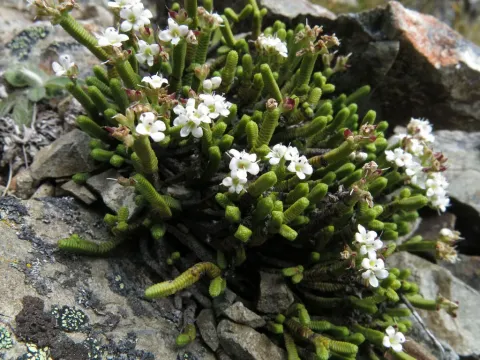
The botanical structure of Hebe is characterized by its decussate leaves, arranged in opposite pairs that create a structured, symmetrical look. The inflorescences appear as terminal or axillary racemes, which can be quite dense and vibrant, ranging from pure white to deep shades of purple.
Climate requirements for Hebe vary by species, but generally, they thrive in maritime climates with mild winters and moderate summers. They are sensitive to extreme frost and drying winds, making them ideal for coastal gardens or protected sunny spots in suburban landscapes.
Soil requirements dictate that the plant must be provided with excellent drainage. Hebe plants suffer significantly in waterlogged, heavy clay soils, which often leads to root suffocation; thus, incorporating grit or organic matter is essential for successful establishment in the garden.
The primary use of Hebe in agriculture and landscaping is for ornamental purposes. Due to their varied growth habits, they are utilized for low-maintenance hedging, rockeries, ground cover, or as decorative specimens in pots, contributing significantly to modern aesthetic garden designs.
The most common threats to Hebe health are fungal infections, particularly Downy Mildew and root rot caused by poor drainage. These conditions are usually aggravated by overcrowding, which restricts airflow and creates a humid microclimate favorable for fungal pathogens.
Pest management involves regular monitoring for aphids, leaf hoppers, and scale insects. These pests feed on the succulent tips of the stems, causing stunted growth and yellowing; therefore, maintaining plant vigor through proper feeding and pruning is the first line of defense.