
Hebe hybrids
Hebe hybrids
Description
Growing requirements
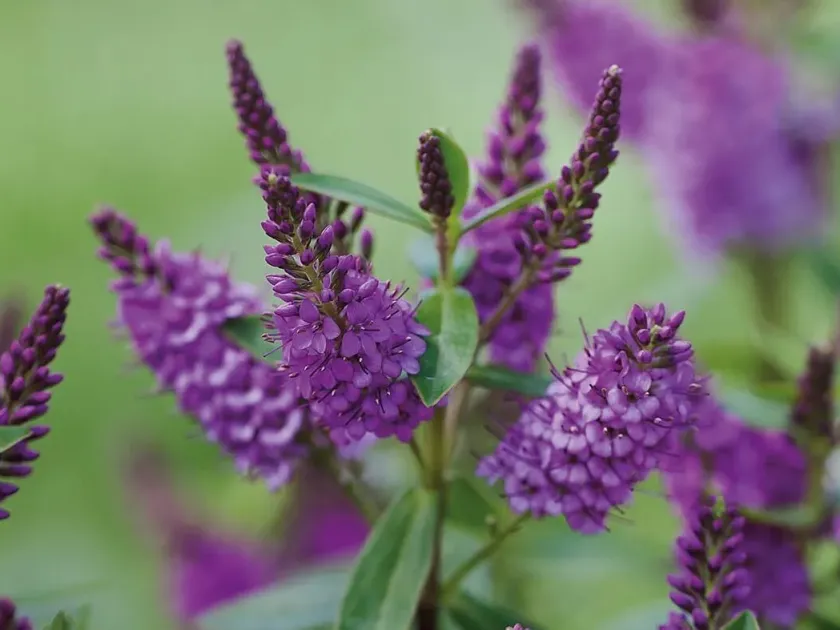
Hebe hybrids are popular ornamental evergreen shrubs belonging to the Plantaginaceae family. These plants are primarily bred from species native to New Zealand, known for their distinct foliage and spike-like racemes.
The culture thrives in well-drained, fertile soil with a slightly acidic to neutral pH. Proper soil aeration is crucial to prevent root rot, which is the most common physiological issue in this genus.
In terms of climate, Hebe hybrids prefer moderate temperatures and high humidity. While they enjoy sunny positions, they often require partial shade during intense midday heat in warmer regions.
Maintenance techniques involve light pruning after the flowering season to keep the shrub compact and prevent woody, leggy stems. Regular mulching helps maintain soil moisture levels consistently.
These plants are widely used in landscaping for container gardening, rock gardens, and border arrangements, serving as an attractive feature throughout the seasons.
Main diseases and pests
The primary threats to Hebe hybrids include fungal diseases like downy mildew and leaf spot, typically triggered by high humidity and poor air circulation.
Pests such as aphids, scale insects, and spider mites can infest the foliage, particularly in sheltered or drought-stressed conditions.
Integrated pest management, including the use of neem oil or horticultural soaps, is effective for controlling common pests without harming the environment.
Preventative care is essential: ensure adequate spacing between plants and avoid overhead irrigation to minimize the risk of pathogen transmission on the leaves.
During winter months, plants in containers should be moved to a frost-free, cool location to protect the root system from damage due to freezing.