
Gymnostoma sumatranum
Gymnostoma sumatranum
Description
Growing requirements
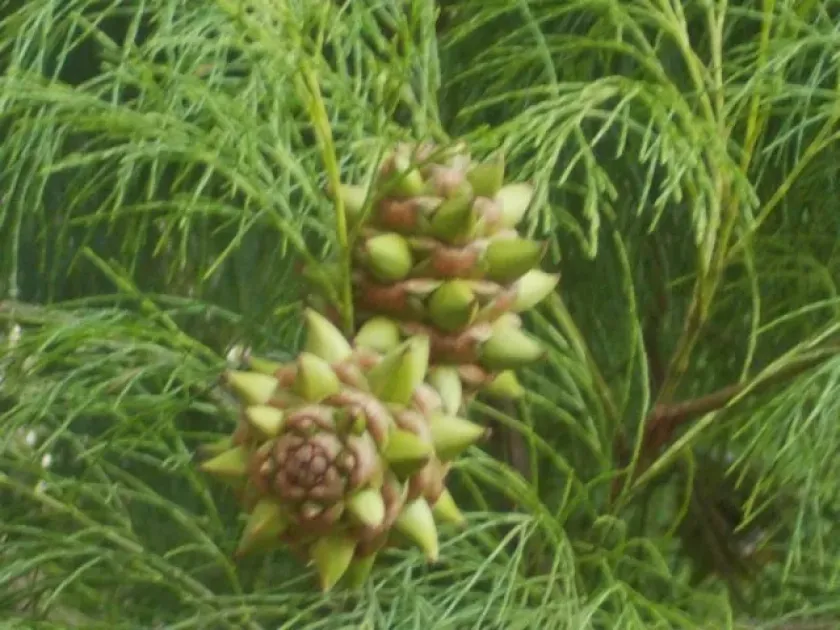
Gymnostoma sumatranum is a prominent species within the Casuarinaceae family, often recognized for its needle-like branchlets that mimic the appearance of conifers. Despite this superficial resemblance, it is a flowering plant that plays a significant ecological role in its native Indonesian habitats.
Originating from the tropical landscapes of Sumatra, this species is strictly adapted to warm, high-humidity environments. It thrives in regions where year-round rainfall supports constant vegetative activity, making it a specialized crop for specific tropical zones that require stable climate conditions.
Regarding soil requirements, the species prefers well-drained, acidic, and nutrient-poor soils. Its ability to thrive in such environments is largely due to its symbiotic relationship with nitrogen-fixing bacteria, which allow the tree to sustain robust growth even when essential nutrients are naturally scarce in the earth.
Effective agrotechnical practices for Gymnostoma sumatranum focus on optimizing light exposure, as the species is highly sensitive to shading. Maintaining proper spacing during the early stages of plantation development is crucial to ensure that trees grow straight and produce high-quality timber suitable for industrial applications.
The primary economic value of this tree lies in its dense, durable wood, which is highly resistant to natural decay and termite damage. It is extensively utilized in the construction and furniture industries, where long-term durability is a priority, especially in humid and demanding environments.
Main diseases and pests
The main threats to successful cultivation include fungal root pathogens, which typically develop in poorly drained or waterlogged soils. To mitigate these risks, agricultural management must prioritize soil aeration and regular health assessments of the plantation, ensuring that environmental stress remains at a minimum.