
Australian gymnostoma
Gymnostoma australianum
Description
Growing requirements
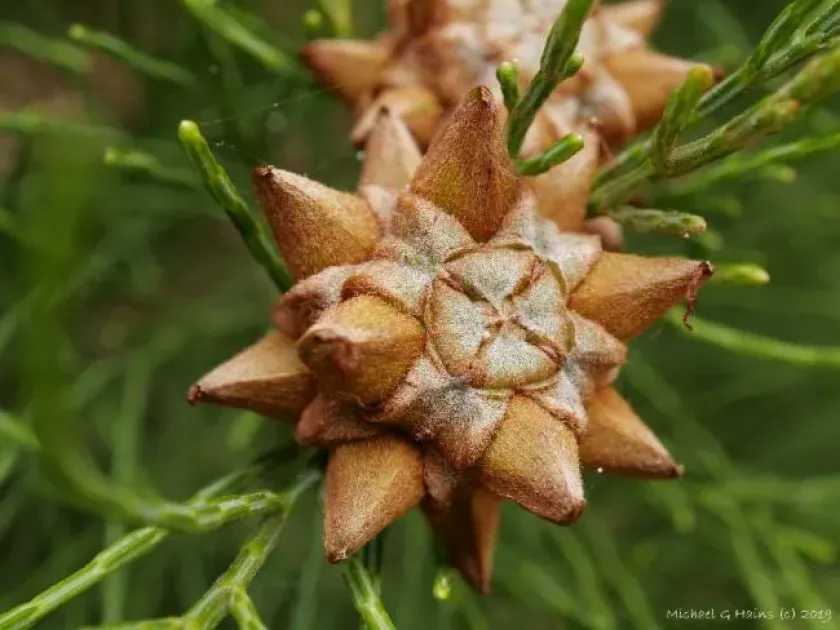
Australian gymnostoma (Gymnostoma australianum) is an evergreen tree species within the Casuarinaceae family. It is native to the tropical rainforests of Queensland, Australia, where it thrives in specific ecological niches.
The plant exhibits a remarkable ability to adapt to acidic soils. Due to its symbiotic relationship with nitrogen-fixing bacteria, it performs well in nutrient-poor environments, making it a valuable species for reforestation projects in tropical zones.
Optimal growth requires a warm and humid climate with no threat of frost. Temperature fluctuations outside the tropical range can significantly damage plant tissue and reduce growth rates, making it unsuitable for temperate agricultural zones.
Soil management should prioritize adequate drainage to prevent root rot. While the species loves moisture, stagnant water is detrimental to its physiological health. It prefers loose, well-aerated substrates that mimic its natural habitat.
In terms of agricultural utility, the tree is highly valued for its durable and dense timber. Beyond its wood quality, it serves as an excellent windbreak, helping to protect more sensitive crops from high-velocity winds in tropical coastal areas.
Main diseases and pests
Fungal pathogens pose the most significant threat to this species, particularly those affecting the roots. Excessive soil moisture often triggers the proliferation of harmful fungi that can compromise the stability of the entire tree.
Various insect pests, including wood-boring beetles and foliage-feeding larvae, can cause substantial damage to commercial plantations. Regular monitoring and biological pest control are essential to maintaining healthy stands.
Competition from aggressive invasive weeds can suppress the development of young gymnostoma trees. Effective weed control in the first few years after planting is vital to ensure the crop establishes itself successfully.
Nutrient imbalances, particularly concerning iron availability, can lead to leaf chlorosis in non-native soil types. Proper soil pH management is crucial for facilitating the uptake of essential micronutrients.
Climate change and prolonged drought periods present emerging challenges for the cultivation of this species. Strategic irrigation systems may be necessary to sustain growth during historically atypical dry seasons.