
Gymnostoma rumphianum
Gymnostoma rumphianum
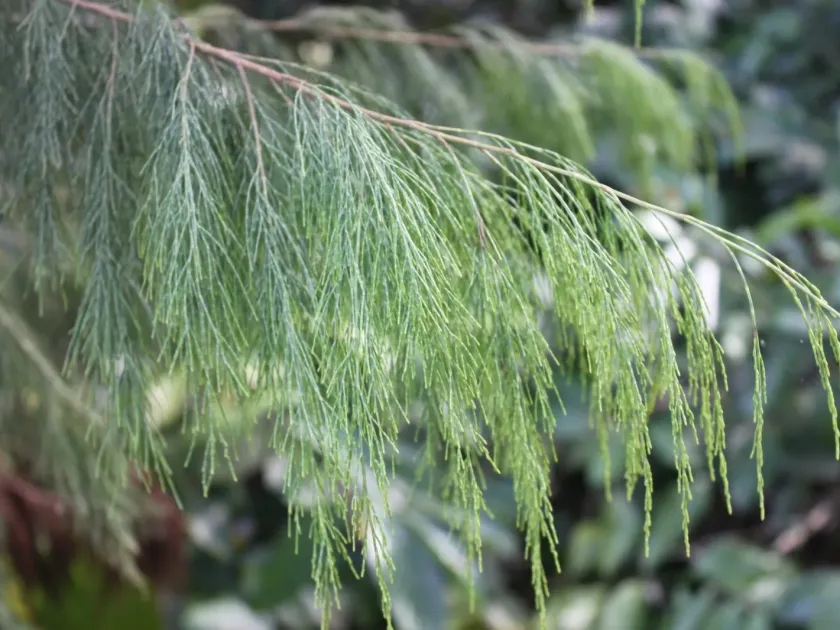
Description
Growing requirements
Gymnostoma rumphianum is a prominent species within the Casuarinaceae family. This evergreen tree is native to the tropical regions of Southeast Asia, thriving in diverse landscapes from coastal areas to inland tropical forests.
The plant is highly valued for its ability to grow in harsh, nutrient-poor conditions. It thrives in tropical climates where temperatures remain stable and moisture is readily available throughout the growing season.
A key biological feature of Gymnostoma rumphianum is its symbiotic relationship with Frankia bacteria. This nitrogen-fixing ability allows the tree to enrich the surrounding soil, acting as a natural fertilizer for the ecosystem.
Cultivation requires plenty of sunlight to ensure robust growth. The species is highly wind-resistant, making it an excellent candidate for shelterbelts and windbreaks in exposed agricultural fields.
Regarding soil management, well-drained soils are essential. Although the plant is hardy, it does not tolerate waterlogging for extended periods, especially during the early stages of its development in the nursery.
Harvesting
The primary economic output of Gymnostoma rumphianum is its dense, high-quality timber. Due to its significant hardness and durability, the wood is widely used in construction, flooring, and heavy-duty tool production.
Beyond timber, the species is frequently utilized in environmental restoration projects. Its extensive root system helps stabilize soil in erosion-prone tropical areas, providing ecological benefits to the surrounding landscape.
Harvesting usually occurs after the trees have reached maturity, typically spanning 15 to 25 years. Sustainable harvesting practices are encouraged to ensure the long-term viability of the plantations.
Local industries also benefit from the plant's bark and foliage. These parts contain high levels of tannins, which are traditionally employed in local tanning processes, providing a secondary source of income for growers.
Proper management of the canopy during the growth phase is vital to maximize timber straightness. Regular thinning of plantations helps improve the overall quality of the wood produced for commercial sale.