
Gymnostoma papuanum
Gymnostoma papuanum
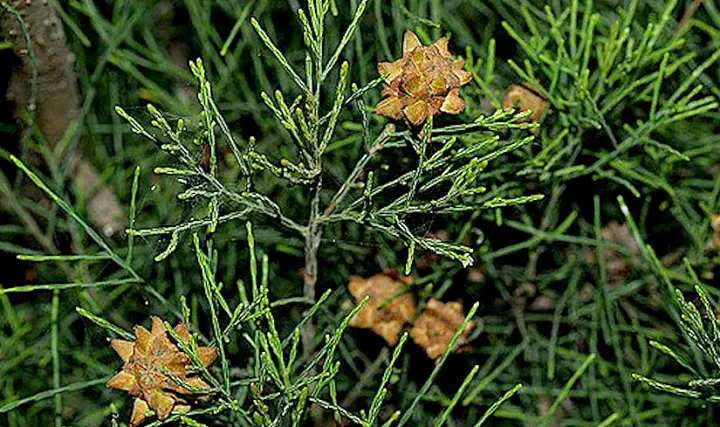
Description
Growing requirements
Gymnostoma papuanum is a distinct member of the Casuarinaceae family. It is a robust evergreen tree known for its specialized root nodules that harbor nitrogen-fixing bacteria, significantly enhancing its ability to thrive in nutrient-poor tropical soils.
The species originates from New Guinea and surrounding islands, where it is found in diverse tropical forest ecosystems. It is highly adapted to high-rainfall environments but requires specific topographical conditions to ensure water drainage.
Successful cultivation of Gymnostoma papuanum depends on well-drained, porous soils. The plant is intolerant of waterlogging, which often leads to root rot; therefore, selecting slightly elevated or well-drained sites is a critical agronomic step.
This tree requires full sun exposure to reach its maximum biological potential. In dense plantations, pruning and thinning are essential management practices to ensure that the trees do not compete excessively for light and airflow.
Climate requirements include tropical temperatures ranging from 22 to 30 degrees Celsius. As a non-frost-tolerant species, its commercial cultivation is strictly confined to areas where temperatures remain above 10 degrees Celsius year-round.
Harvesting
The primary economic use of Gymnostoma papuanum is the production of high-density timber. This wood is widely recognized for its durability and strength, making it a preferred material for construction and high-end cabinetry.
Beyond timber production, the tree serves a vital role in land restoration projects. Due to its nitrogen-fixing capabilities and extensive root architecture, it is used to stabilize slopes and rehabilitate degraded agricultural land in the Pacific region.