
Gymnosporia polyacanthus
Gymnosporia polyacanthus
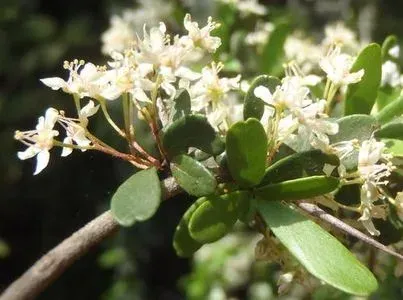
Description
Growing requirements
Gymnosporia polyacanthus belongs to the Celastraceae family. It is a hardy, perennial shrub known for its significant drought tolerance and ability to thrive in harsh environments, making it a distinct representative of its genus.
Originating from the Southern African region, the plant has evolved in climates where water scarcity is a constant factor. Its natural habitat includes rocky slopes and savannas, where it contributes significantly to the local vegetation structure.
To cultivate this species, one must prioritize full sun exposure. It requires high light intensity to maintain its characteristic compact shape and the density of its thorny branches, which are essential for its protective role in natural ecosystems.
Soil requirements are relatively modest, focusing primarily on drainage. The shrub performs exceptionally well in sandy or gravel-rich substrates where water infiltration is rapid, effectively preventing root rot common in denser, clay-heavy soils.
Botanically, the plant is distinguished by its numerous, sharp thorns and leathery leaves. These features serve as an effective defense mechanism against herbivores and a structural adaptation to minimize water loss through evapotranspiration.
Main diseases and pests
Pathogenic threats are primarily associated with fungal infections triggered by poor air circulation. In stagnant, humid conditions, leaves may develop mildew, requiring immediate pruning to restore airflow.
Pests such as mites and scale insects often target the shrub during hot, dry spells. These pests colonize the stems and leaf undersides, potentially stunting the development of new, tender growth during the peak season.
Maintaining plant health involves regular inspections of the canopy. Removing dead or infested branches promptly helps prevent the spread of localized infections and supports the overall vigor of the shrub.
Proper irrigation practices, specifically avoiding overhead watering that wets the foliage, significantly reduce the risk of common fungal diseases associated with the Celastraceae family.
Strategic use of biological control agents or targeted pesticides is recommended when infestation thresholds are exceeded, ensuring minimal impact on the surrounding beneficial insect population.