
Gymnosporia acuminata
Gymnosporia acuminata
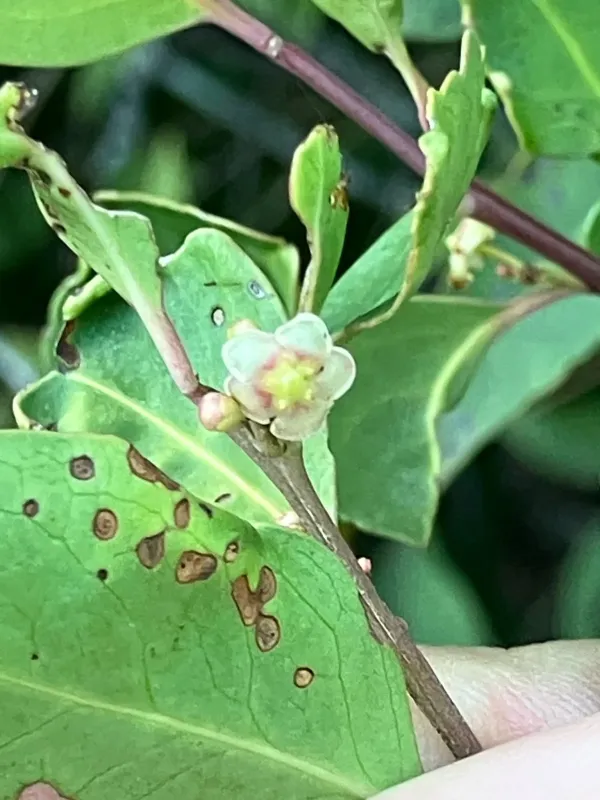
Description
Growing requirements
Gymnosporia acuminata is an evergreen woody plant belonging to the Celastraceae family. Native to the diverse regions of Africa, this species has evolved to thrive in varied habitats, ranging from dense forest margins to more open scrublands, demonstrating significant ecological adaptability.
The botanical profile of the plant is defined by its thick, leathery leaves with acuminate tips, which minimize water loss. The stems are frequently armed with sharp, woody spines that serve as a robust defense mechanism against herbivores in its natural range.
Regarding cultivation requirements, the plant prefers well-drained soil types that are rich in organic matter. While it is tolerant of various soil pH levels, maintaining a slightly acidic to neutral balance is optimal for ensuring the best nutrient uptake and overall plant vigor.
Climatic preferences include consistent temperatures and sufficient sunlight. Although the plant is hardy in its native subtropical environment, it requires protection from severe frost if cultivated in cooler zones. Irrigation should be tailored to ensure the soil remains moist but never waterlogged.
The economic and practical uses of Gymnosporia acuminata extend beyond horticulture. It is highly valued in traditional ethnobotany, where various parts of the plant are harvested for their therapeutic properties, including applications in treating skin conditions and inflammatory ailments.
Main diseases and pests
Common health issues in this species are often associated with fungal pathogens that affect foliage quality. Ensuring proper air circulation within the shrub canopy is essential to preventing the development of mildew or leaf spot diseases common in humid environments.
Insect pests, particularly scale insects and spider mites, are known to colonize the plant during dry spells. Management strategies involve regular monitoring and the use of integrated pest management (IPM) practices to maintain plant health without disrupting the surrounding microflora.