
Gymnosporia nemorosa
Gymnosporia nemorosa
Description
Growing requirements
Gymnosporia nemorosa is a woody plant belonging to the Celastraceae family. Native to the diverse landscapes of Africa, this species naturally thrives in thickets and forest margins, adapting well to woodland ecosystems.
The plant prefers fertile, well-draining soils that maintain moisture without becoming waterlogged. In its native habitat, it thrives in warm temperatures that support consistent metabolic activity throughout the growing cycle.
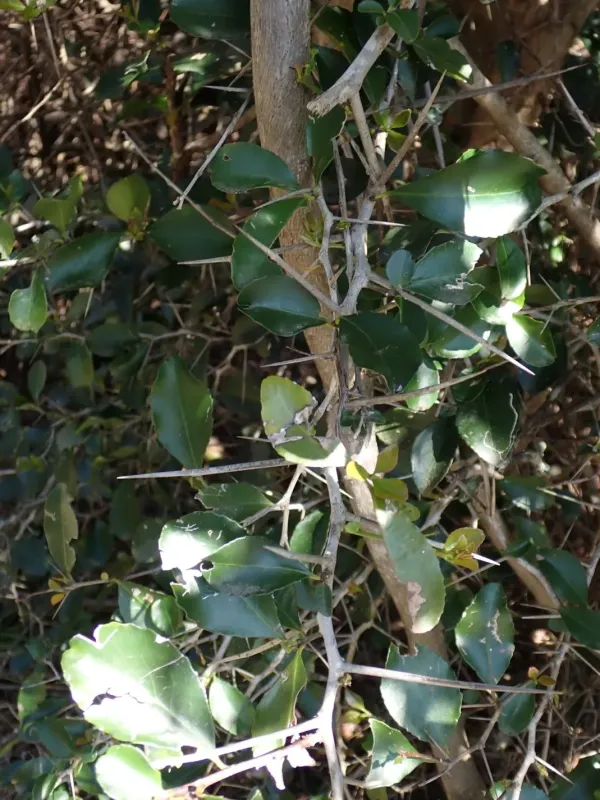
Botanically, it is characterized by its tough, leathery leaves and specialized branch structures. These features are evolutionary adaptations that allow the plant to endure fluctuating environmental conditions and sporadic dry spells.
Optimal growth requires exposure to dappled sunlight or partial shade. While it can handle some direct light, excessive exposure during intense summer heat may require supplemental irrigation to prevent leaf dehydration.
The species holds significant interest for its bioactive properties. Extracts from its bark and roots have been utilized in traditional practices, and modern research continues to explore its potential medicinal applications.
Main diseases and pests
Common threats to the crop include root rot caused by stagnant water, which is a major concern in heavy soils. Preventing water accumulation around the root zone is crucial for the health of the plant.
Pests such as aphids and scale insects are frequently encountered in cultivation. These insects target the new growth, potentially weakening the plant if not managed through integrated pest control methods.
Frost remains a major limiting factor for this species, as it lacks the physiological traits required to survive freezing temperatures. Protection measures are necessary in regions prone to seasonal temperature drops.
Disease management relies primarily on hygiene and environmental control. Providing proper ventilation between shrubs significantly reduces the risk of fungal infections such as powdery mildew.
Soil fertility monitoring is also vital, as nutrient deficiencies can make the plant more susceptible to opportunistic pathogens. A balanced fertilization program helps maintain a robust immune system in the vegetation.