
Gymnadenia lithopolitanica
Gymnadenia lithopolitanica
Description
Growing requirements
Gymnadenia lithopolitanica is a rare perennial orchid belonging to the Orchidaceae family. It is an endemic species primarily associated with the alpine limestone regions of Slovenia, representing a significant component of high-altitude European biodiversity.
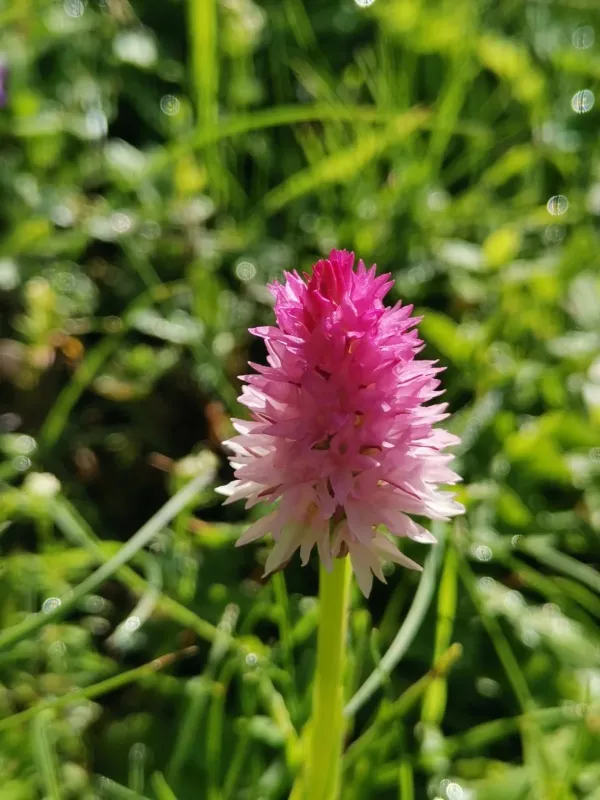
The plant is characterized by its distinct palmate-lobed tubers and a compact stem ranging from 10 to 30 centimeters in height. Its inflorescence features dense clusters of small, vivid pink-to-purple flowers that are highly adapted to the pollination dynamics of harsh alpine environments.
This species strictly requires limestone-based soils and well-drained alpine meadows for survival. Its life cycle is deeply interconnected with specific soil fungi, forming a mycorrhizal symbiosis that is essential for nutrient uptake and successful germination of seeds in nutrient-poor alpine soils.
Gymnadenia lithopolitanica is not an agricultural crop; rather, it is a subject of specialized botanical research. Conservation efforts focus on protecting its fragile habitats from degradation and fragmentation caused by human activity, such as livestock grazing and alpine tourism.
Effective management of this species involves protecting the integrity of the soil microflora and ensuring the stability of the local climate. Research into its reproductive biology continues, as artificial propagation remains largely experimental due to the complex requirements of its fungal symbionts.
Main diseases and pests
The primary threats to Gymnadenia lithopolitanica include habitat destruction, invasive competition from more robust vegetation due to climate change, and excessive land use by grazing livestock which can physically damage the delicate specimens and their soil structure.
Pathogenic threats are mainly related to soil-borne fungi that thrive in waterlogged conditions, posing a risk to the tubers, while generalist herbivores may occasionally feed on the above-ground biomass, affecting the reproductive potential of individual plants.