
Gymnadenia gabasiana
Gymnadenia gabasiana
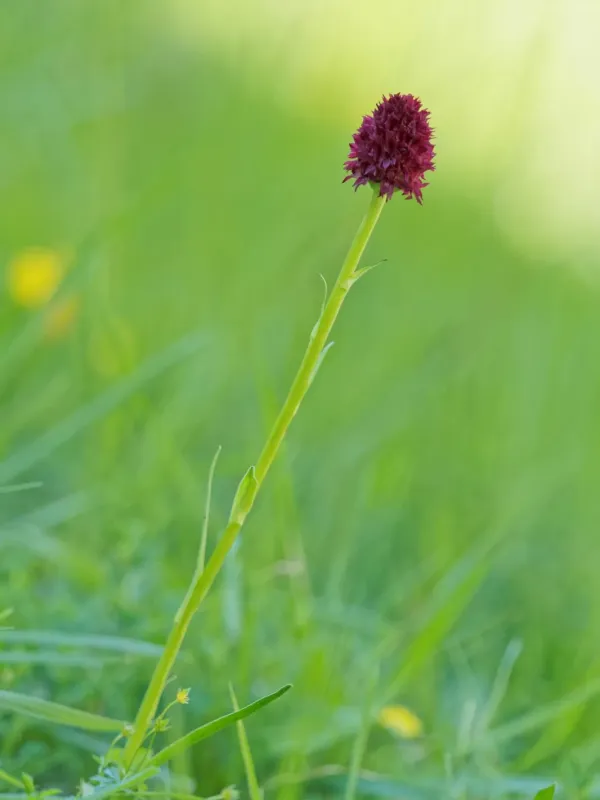
Description
Growing requirements
Gymnadenia gabasiana is a perennial herbaceous plant belonging to the Orchidaceae family. It is recognized as a rare, narrow-endemic species native to the mountainous regions of the Pyrenees, where it thrives in alpine environments.
The botanical structure of the plant includes typical palmate-lobed root tubers, which are essential for nutrient storage during the dormant period. The leaves are lanceolate and primarily clustered at the base of the upright stem.
This species has specific soil requirements, preferring limestone-based substrates that are well-drained. It naturally occurs in alpine grasslands where it receives abundant sunlight and withstands harsh, cooling mountain air.
Symbiotic relationships with mycorrhizal fungi are critical for the survival of Gymnadenia gabasiana. The plant relies entirely on these fungi for nutrient uptake, particularly during the germination phase of its tiny seeds.
Currently, the plant has no agricultural applications. Its growth is strictly limited to natural wild habitats, making it a subject of interest for conservationists rather than for commercial cultivation.
Main diseases and pests
The primary threat to the population of Gymnadenia gabasiana is climate change, which negatively impacts the delicate balance of high-altitude ecosystems. Warming temperatures often shift the vegetation zones, forcing the species out of its comfort range.
Pests and diseases, such as fungal infections during periods of excessive moisture or insect larvae attacking the inflorescence, represent significant natural threats to the plant's health and seed production cycle.
Human activities, such as uncontrolled livestock grazing in high meadows, lead to the trampling and physical destruction of these fragile plants. This interference prevents the orchid from reaching maturity and completing its reproductive cycle.
Interspecific competition from more robust plants poses a threat, especially when nutrient and light availability shifts. Such competition can lead to the slow displacement of the orchid from its historical niches.
Due to its high sensitivity, any conservation strategy must prioritize habitat protection. The plant does not respond to standard agricultural practices and remains a protected species within its geographical range.