
Guettarda speciosa
Guettarda speciosa
Description
Growing requirements
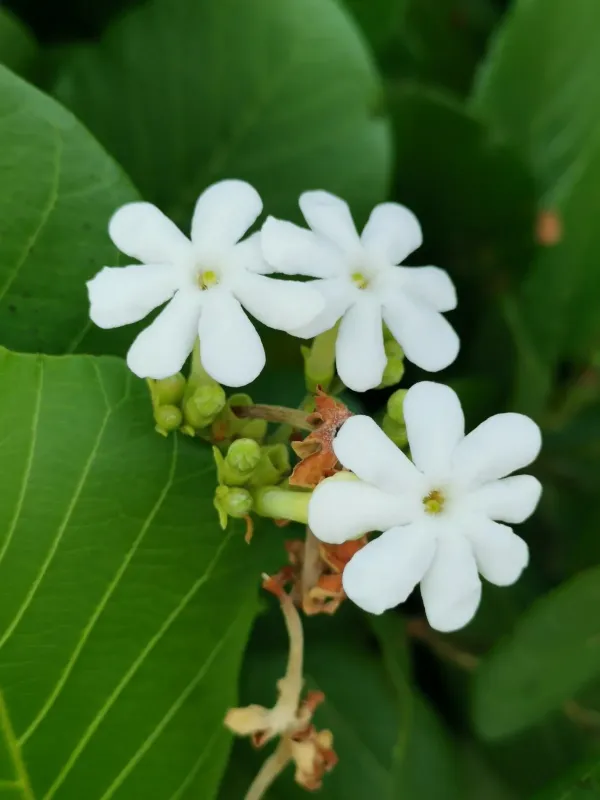
Guettarda speciosa, commonly known as the beach gardenia, is a member of the Rubiaceae family. This evergreen tree is widely recognized for its robust growth in coastal environments and its highly fragrant, tubular white flowers that bloom throughout the year.
Originating from the tropical coastal regions of the Indo-Pacific, this species is naturally adapted to survive in saline environments. It thrives in well-draining, sandy soil types, making it an excellent candidate for stabilizing soil along sandy coastlines.
The climate requirements for Guettarda speciosa are strictly tropical. It demands full sun exposure to flourish and is highly sensitive to frost. Adequate sunlight is essential for the tree to produce its characteristic fragrant flowers and dense foliage canopy.
Agricultural techniques involve regular maintenance of the soil moisture balance, especially for young saplings. While mature trees are drought-tolerant, supplemental watering during prolonged dry seasons ensures vigorous growth and better overall health of the tree plantation.
Its economic importance spans across several industries. The timber is valued for its durability in marine construction, while the blossoms are harvested for essential oil extraction used in the high-end fragrance industry due to their intense, sweet scent.
Main diseases and pests
The most common pests affecting Guettarda speciosa are scale insects and mealybugs. These pests attach themselves to the undersides of leaves and stems, sucking the sap and potentially stunting the tree's development if not managed promptly.
Fungal issues such as root rot can occur in poorly drained clay-heavy soils. Providing an appropriate soil substrate with high aeration is the most effective preventative measure against these moisture-related pathogens in tropical agricultural settings.
Leaf miners can occasionally infest the foliage, creating unsightly tunnels that reduce the plant's photosynthetic efficiency. Integrated pest management using organic neem-based oils is often sufficient to keep these populations under control without chemical stress.
Bacterial leaf spot can be a concern during particularly humid and rainy seasons. Ensuring proper spacing between trees in a plantation helps improve air circulation, significantly reducing the likelihood of humidity-trapped disease outbreaks among the canopy.
Regular sanitation, such as removing fallen leaves and pruning dead or diseased branches, is vital to prevent the spread of fungal spores. A well-maintained plantation with good hygiene practices rarely suffers from significant pest or disease damage.