
Guettarda elliptica
Guettarda elliptica
Description
Growing requirements
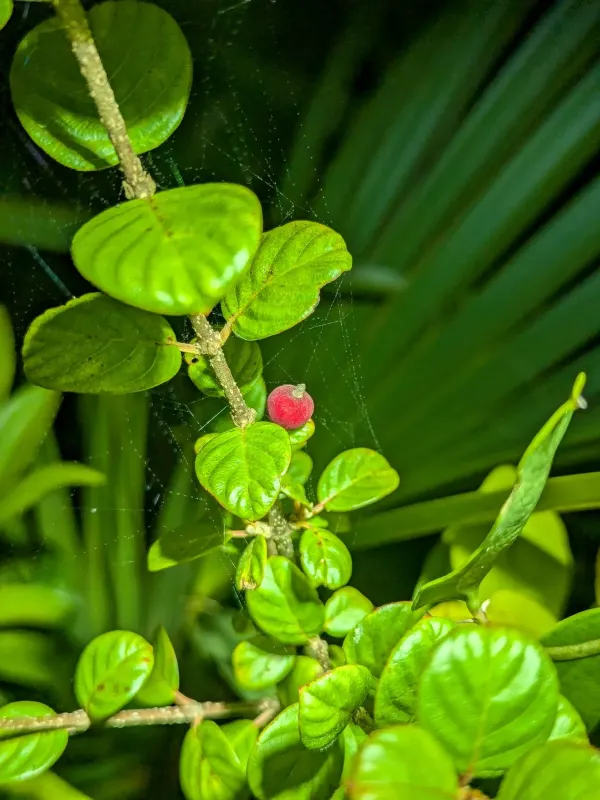
Guettarda elliptica is a species of flowering plant in the Rubiaceae family. Commonly found in tropical environments, this plant typically takes the form of an evergreen shrub or a small, slender tree, often reaching heights suitable for coastal hedging.
The native distribution of this plant includes the Caribbean, Florida, and parts of Central America. It has adapted to thrive in limestone-based soils and often grows in rocky, well-draining terrains where it can withstand intense sun exposure.
For optimal growth, Guettarda elliptica requires a sunny or partially shaded location. It is well-regarded for its drought tolerance once established, making it a sustainable choice for landscaping in tropical climates where water conservation is necessary.
Regarding soil requirements, the plant prefers substrates with excellent drainage. It does not tolerate waterlogged conditions, which can lead to rapid root degradation, so careful attention to irrigation levels is mandatory in agricultural or garden settings.
The plant is valued for its fragrant, white-to-cream flowers that bloom in clusters. Its aesthetic qualities, combined with its resistance to coastal winds, make it a popular candidate for ornamental use in coastal garden restoration projects.
Main diseases and pests
The primary threats to Guettarda elliptica are fungal infections caused by high humidity and poor air circulation. Symptoms often manifest as leaf spots or mold growth, which can be mitigated through proper spacing and pruning.
Scale insects and spider mites are the most common pests found on this species. These organisms feed on the sap of the foliage, potentially leading to yellowing leaves and reduced vigor if the infestation is not addressed promptly.
Root rot, specifically caused by overwatering or soil compaction, remains the most critical physiological threat. Ensuring the potting medium or garden soil remains aerated is essential to maintaining a healthy root system throughout the year.
While the plant is quite hardy, severe frost can damage young branches. In areas prone to unexpected temperature drops, providing a temporary cover or protective mulch is necessary to prevent tissue damage.
Integrated pest management, including the use of neem oil or insecticidal soaps, is effective for controlling common pests. Routine pruning also helps remove deadwood and improves light penetration into the interior of the shrub canopy.