
Rough-leaf velvetseed
Guettarda scabra
Description
Growing requirements
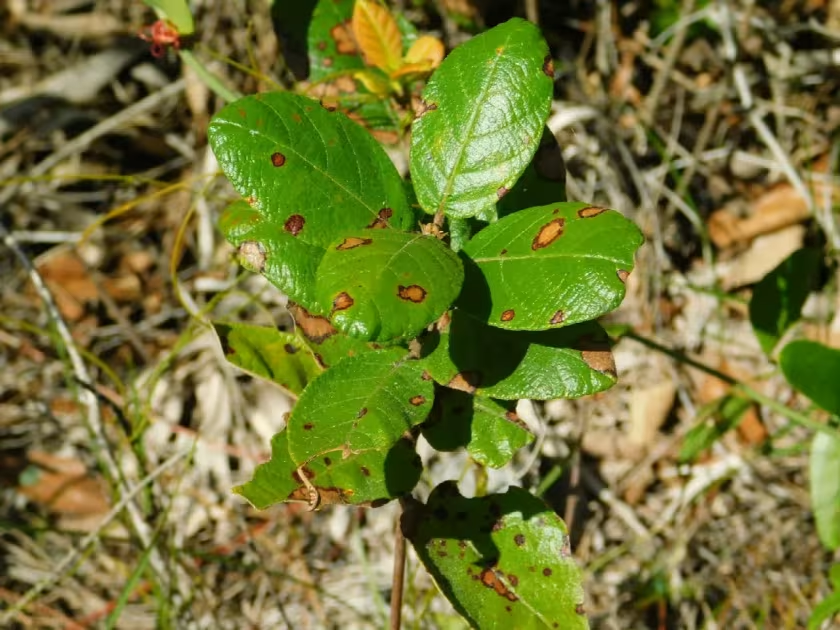
The rough-leaf velvetseed (Guettarda scabra) is a member of the Rubiaceae family, native to the Caribbean, Florida, and Central America. It is an evergreen shrub or small tree, notable for its coarse, velvety leaf texture that gives the plant its common name.
In its natural habitat, the plant thrives in well-drained, limestone-based, or sandy soils. It is highly valued for its salt tolerance, making it an excellent choice for stabilizing dunes and enhancing biodiversity in coastal tropical environments.
This species requires full sun to partial shade to achieve its optimal growth potential. Being a tropical plant, it is strictly non-hardy and requires a frost-free environment, making it suitable for conservatory or greenhouse cultivation in cooler regions.
Agrotechnical management requires consistent moisture, though the plant shows remarkable resilience during periods of moderate drought. Proper soil aeration is crucial to prevent root decay, especially when the shrub is grown in containers.
Regular pruning is essential to maintain a compact, aesthetically pleasing shape, as the plant can become straggly if left unchecked. Pruning also stimulates new growth and promotes more prolific flowering in the following season.
Harvesting
The primary use of Guettarda scabra is decorative, favored for its tubular, fragrant flowers that attract a variety of pollinators. It serves as a vital component in butterfly-friendly gardens and native plant restoration projects.
Historically, the rough leaves were used by local communities as a natural abrasive. This unique texture allows the leaves to function as a cleaning tool for polishing wood or cleaning metal utensils, serving as a functional utility in primitive settings.
The wood of the plant is dense and durable. Local artisans utilize it for small woodworking projects, tool handles, and rustic construction, benefiting from the inherent strength provided by the plant's adaptation to harsh coastal conditions.
Ecologically, the plant produces drupes that serve as a food source for diverse bird species, playing a significant role in the local food chain. This makes it an essential species for maintaining the ecological balance of tropical habitats.
In modern landscape architecture, the plant is increasingly used as a resilient screen or hedge in tropical regions, thanks to its low maintenance needs and ability to withstand the challenges posed by coastal winds and poor, sandy soils.