
Guettarda calyptrata
Guettarda calyptrata
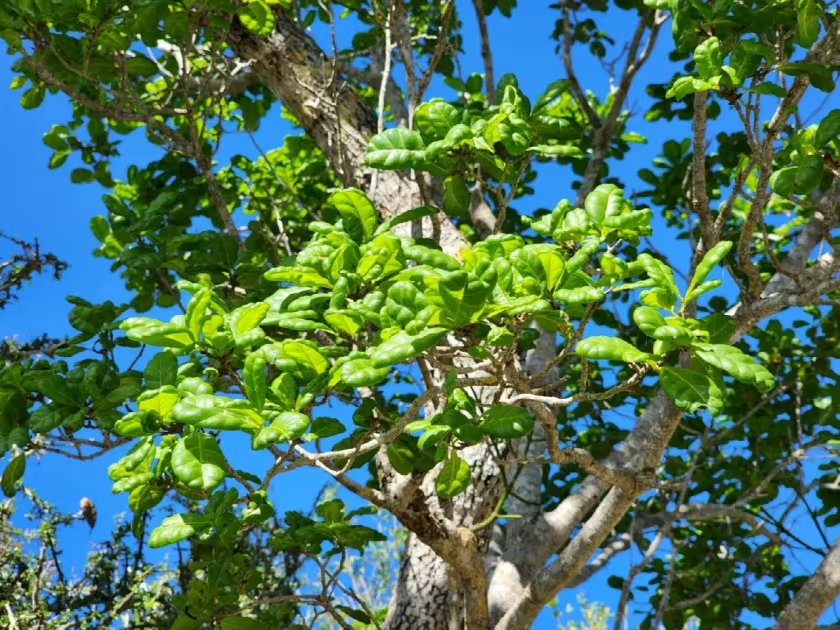
Description
Growing requirements
Guettarda calyptrata is a woody plant species belonging to the Rubiaceae family. Native to the Caribbean, particularly Cuba, it is recognized for its unique botanical traits and adaptation to calcareous tropical forest environments.
The climate requirements for this species include high annual temperatures and a tropical moisture regime. It is susceptible to frost and requires a consistent environment to maintain its growth cycles throughout the year.
Soil conditions are critical for successful cultivation. The plant thrives in well-drained, limestone-based soils. Avoid sites with heavy clay or high water tables that lead to anaerobic conditions in the root zone.
Cultural practices should focus on maintaining soil structure and pH balance. It prefers slightly alkaline conditions and benefits from the presence of calcium-rich substrates, which are typical of its natural limestone habitats.
Light management is also essential; while mature trees tolerate full sun, juvenile plants require protection from intense direct radiation to prevent leaf scorch and ensure steady structural development.
Main diseases and pests
The primary threats to the health of Guettarda calyptrata are fungal pathogens that thrive in high-humidity environments. Leaf spot diseases are common, especially when airflow around the canopy is restricted.
Pest pressures include various sap-sucking insects, such as scale insects and spider mites, which can weaken the tree if not managed correctly. Integrated pest management (IPM) is recommended to control these outbreaks.
Root rot, often caused by poor drainage or over-irrigation, is a severe threat. Preventing water accumulation at the base of the trunk is the most effective management strategy against these issues.
Invasive weed pressure can reduce nutrient availability and moisture, particularly in newly established plantations. Regular weeding and the application of appropriate organic mulch are necessary to support tree vigor.
Maintaining plant density at proper levels is crucial for limiting the spread of pathogens. Proper spacing ensures that individual trees have adequate air circulation and access to light, minimizing the risk of systemic infections.