
Goodenia robusta
Goodenia robusta
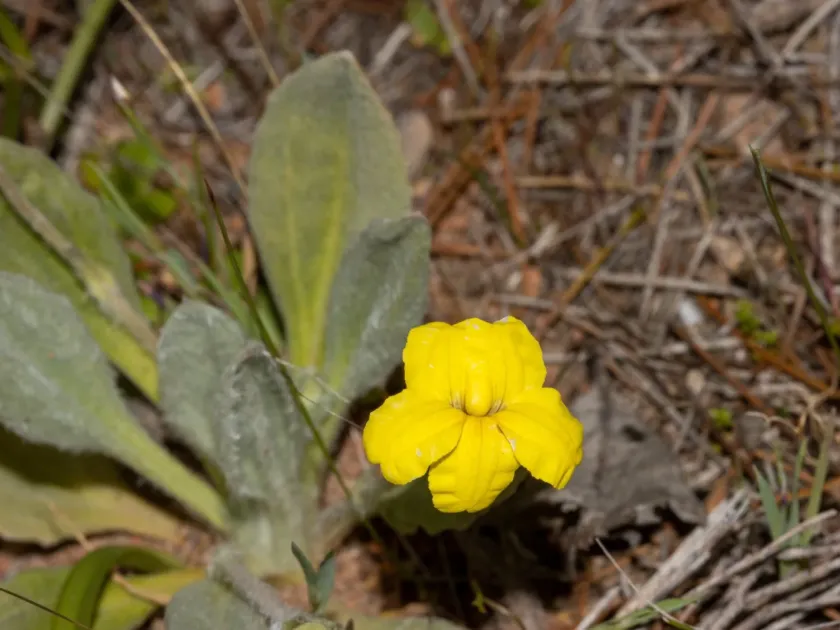
Description
Sowing dates
Sowing the seeds of Goodenia robusta is typically performed in late winter or early spring to ensure the plants have enough time to adapt before active growth.
For successful germination, seeds require a stable temperature between 20–22 degrees Celsius, using a loose substrate enriched with perlite for aeration.
Seedlings may emerge unevenly, so pre-sowing stratification or treatment with growth stimulants can significantly improve the overall germination rate.
Once two true leaves have developed, seedlings should be carefully pricked out into individual pots to prevent root system damage during final transplantation.
Transplanting into open ground should only occur after consistent warm temperatures are established and the risk of late frosts has completely passed.
Growing requirements
Goodenia robusta belongs to the Goodeniaceae family and originates from Australia, necessitating high levels of solar exposure for healthy development.
The plant thrives in well-drained sandy or loamy soils with a neutral to slightly acidic pH level and is highly sensitive to waterlogged root conditions.
In its natural habitat, the plant is adapted to long drought periods, meaning that watering should be moderate and strictly controlled during the flowering phase.
The ideal location for cultivation is an area with direct sunlight or partial shade, sheltered from strong or gusty winds that could damage the stems.
While the species is hardy enough to grow in nutrient-poor soils, applying minimal doses of low-phosphorus mineral fertilizers can enhance floral display.
Main diseases and pests
The primary threats to this culture are root rot diseases, which often result from excessive moisture levels or heavy, non-draining soil composition.
Under greenhouse conditions or periods of high humidity, the plant is susceptible to powdery mildew, requiring prompt treatment with professional fungicides.
Among common pests, spider mites and aphids pose the greatest risk, especially during hot and dry weather when they colonize the underside of leaves.
To mitigate insect infestations, growers should implement regular monitoring and utilize biological insecticides at the first signs of pest activity.
Proper drainage management is crucial, as stagnant water is the main precursor to severe fungal infections and eventual plant decline.