
Goodenia pinnatifida
Goodenia pinnatifida
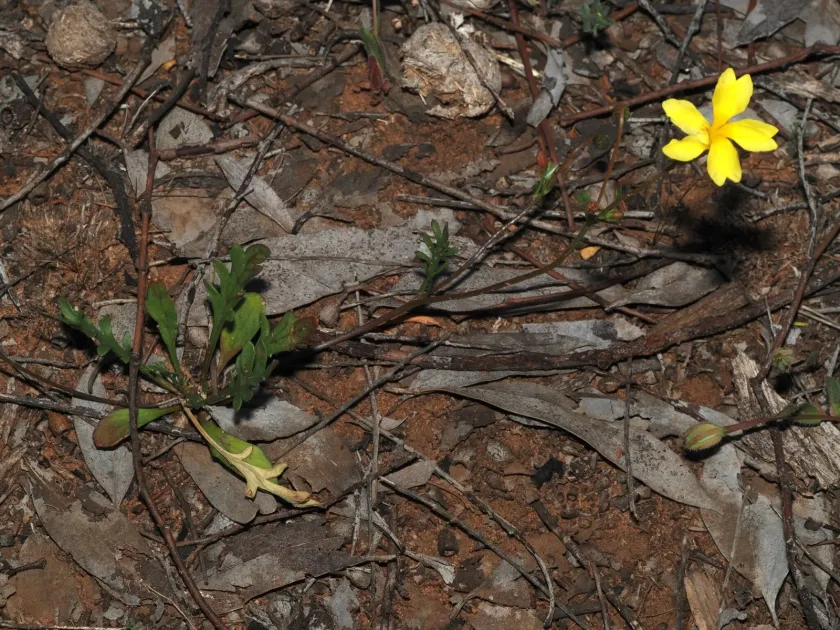
Description
Sowing dates
Goodenia pinnatifida is a perennial herb belonging to the Goodeniaceae family, native to the arid regions of Australia. Propagation is primarily achieved through seeds, which require proper handling to ensure high germination rates.
Seeds should be sown in spring using a light, well-draining medium. Surface sowing is recommended as the seeds require some light exposure to germinate effectively.
When starting seeds outdoors, it is essential to wait for stable temperatures, ensuring the soil has warmed up to at least 15-18 degrees Celsius. Consistent moisture is vital during the initial growth phase.
Using a seed tray for nursery production is often preferred for better control over the environment, allowing young plants to establish strong root systems before being transplanted into the field.
Space the plants approximately 30 to 40 centimeters apart. This spacing ensures adequate light penetration and airflow, which are crucial for the long-term health of the rosettes.
Growing requirements
This species thrives in sunny, open locations. It is highly adapted to arid conditions and requires full sun exposure to maintain its compact growth habit and prolific flowering.
Soil quality is paramount; Goodenia pinnatifida prefers sandy or rocky, free-draining soils. Heavy, compacted soils are unsuitable as they increase the risk of root rot.
While the plant is remarkably drought-tolerant once established, supplementary watering during extreme heatwaves will prevent physiological stress and prolong the flowering period.
The plant is sensitive to excessive humidity. In regions with high rainfall, it is necessary to provide excellent drainage and avoid mulches that retain too much moisture near the crown.
Fertilization should be kept to a minimum. Over-fertilizing, especially with high-nitrogen compounds, can result in leggy, weak plants that are more susceptible to pests and disease.
Main diseases and pests
The primary threats to Goodenia pinnatifida involve fungal pathogens, particularly those triggered by waterlogged soil conditions and poor ventilation around the base of the plant.
Root rot is the most significant concern. To mitigate this risk, monitor soil moisture levels closely and ensure that the root zone is never subject to standing water.
Pests such as aphids and spider mites may become problematic during dry, hot weather. Periodic inspections and the use of targeted systemic insecticides can manage these infestations effectively.
Slugs and snails can cause damage to tender new growth. Providing a perimeter of grit or using environmentally friendly snail baits can protect the plants during their early development.
Maintaining a clean growing area by removing decaying foliage helps prevent the buildup of fungal spores and discourages the presence of insects that thrive in debris.