
Goodenia macmillanii
Goodenia macmillanii
Description
Growing requirements
Goodenia macmillanii is a perennial herbaceous plant belonging to the Goodeniaceae family. It is native to specific regions of Australia, primarily found in moist, temperate habitats where it flourishes under moderate environmental conditions.
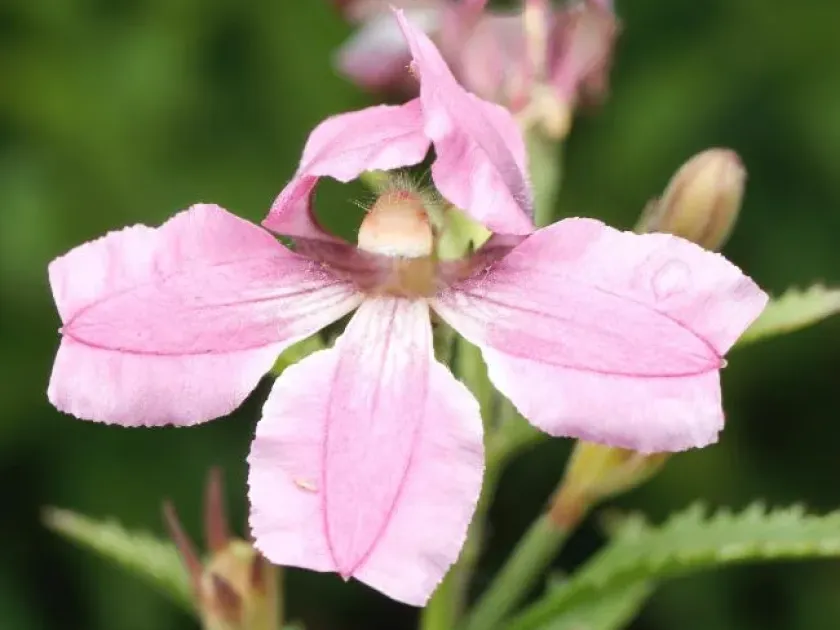
Botanically, the plant is distinguished by its vibrant, yellow, fan-shaped flowers. The foliage grows in basal rosettes, creating a compact and dense appearance that makes it a highly desirable candidate for ornamental horticulture and garden landscaping.
Successful cultivation requires soil that is well-draining yet capable of retaining moisture. It is essential to ensure that the medium is not prone to waterlogging, as the root system is sensitive to prolonged saturation, which can easily trigger rot and plant decline.
In terms of climate, Goodenia macmillanii thrives in temperate environments. It performs best in partial shade, as intense direct sunlight—especially during peak hours—can scorch the leaves and impede flower development, leading to overall plant stress.
Economically, this species is valued for its aesthetic contribution to rockeries and shaded garden borders. Its compact size and attractive flowering habit make it a popular choice for gardeners interested in incorporating native Australian flora into their residential landscapes.
Main diseases and pests
The primary threats to Goodenia macmillanii are fungal diseases, particularly root rot, which is almost always the result of improper soil moisture management. Ensuring a porous soil structure is the most effective preventative measure against these pathogens.
Pests such as snails and slugs can cause significant damage to the plant's soft foliage during wet spring weather. Gardeners should monitor the base of the plant closely and use physical barriers or organic pest control methods to protect the rosettes from herbivory.
In environments with poor air circulation, powdery mildew can become an issue. Regular spacing between individual plants and manual cleaning of dead leaves will help improve airflow and reduce the likelihood of fungal infections settling on the foliage.
Aphids can also occasionally infest the developing buds. These should be treated early with mild insecticidal soaps or by physically removing them to prevent further spread and stunted growth of the floral display.
Consistent maintenance, including the timely removal of spent flower stalks, is crucial for plant health. This practice not only preserves the aesthetic appeal of the garden but also redirects nutrients, ensuring the plant remains vigorous throughout the growing season.