
Goniophlebium
Goniophlebium
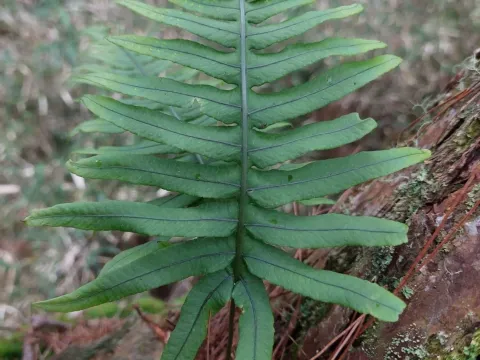
Goniophlebium is a genus of perennial epiphytic or terrestrial ferns belonging to the Polypodiaceae family. In their natural habitat, these plants are predominantly found in tropical regions of Asia, the Americas, and Oceania, where they grow as epiphytes on tree trunks or in humid forest soil.
What the section contains

Goniophlebium
Botanically, the culture is characterized by long, creeping rhizomes covered in scales and leathery, pinnate fronds. The leaves are highly decorative, often featuring a glaucous hue, while the sori, or spore-producing organs, are arranged in rows along the central vein, serving as a vital systematic trait for the genus.
For successful cultivation, a stable temperature range of 18–24 degrees Celsius is required. The plant is highly sensitive to sudden temperature fluctuations and cold drafts, which can lead to leaf necrosis and overall physiological distress.
A key requirement is maintaining high humidity levels, ideally between 60–70%. The growing medium must be loose, aerated, and slightly acidic, which is typically achieved using substrates based on peat, shredded conifer bark, and sphagnum moss.
The economic value of Goniophlebium is centered primarily on decorative horticulture and interior landscaping. Due to its aesthetic appeal and adaptability in greenhouse and residential settings, it is highly valued by designers for creating lush tropical arrangements.
Common pests affecting this fern include scale insects, which extract nutrients from the stems and young fronds. Their presence is often indicated by sticky honeydew deposits, which subsequently foster the growth of sooty mold, hindering the plant's photosynthetic capacity.
Spider mites represent a serious threat in low-humidity environments, especially during winter heating seasons. Symptoms include the appearance of tiny yellow spots on the foliage that eventually expand, causing entire sections of the frond to dry out and collapse.
Persistent overwatering of the growing medium can lead to root rot, triggered by pathogens such as Phytophthora or Pythium species. This results in the loss of plant turgor and potential death of the rhizomes, making strict irrigation management the primary preventative measure.
Mealybugs are frequently found in the leaf axils, creating characteristic white, cottony masses. Systemic insecticides are effective in managing these infestations, though caution must be exercised to prevent chemical damage to the delicate fern tissue.
Non-infectious diseases include chlorosis, which often results from watering with hard water containing high calcium concentrations. Using soft, room-temperature water is recommended to maintain optimal health and vibrant foliage coloration.