
Goniophlebium subauriculatum
Goniophlebium subauriculatum
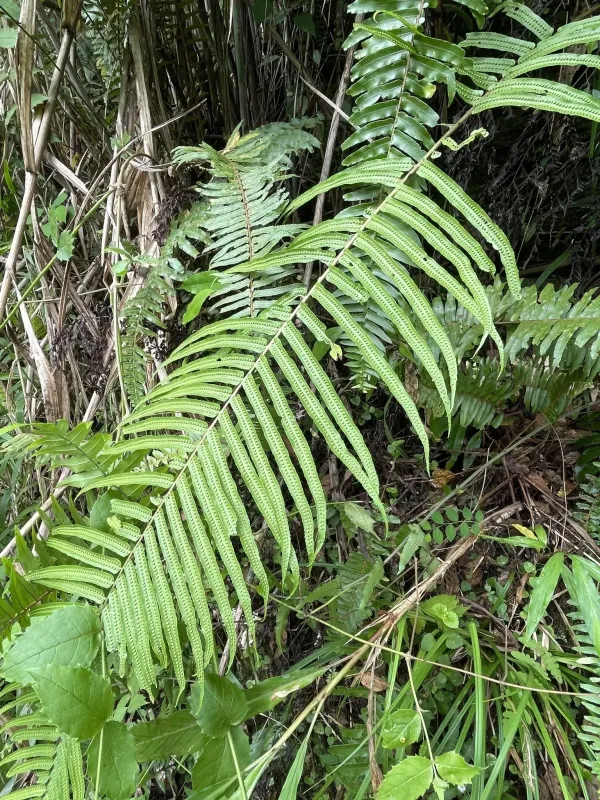
Description
Growing requirements
Goniophlebium subauriculatum is a perennial epiphytic plant belonging to the Polypodiaceae family. Naturally occurring in the tropical rainforests of Southeast Asia and Australia, it thrives in high-humidity environments under dense canopy cover.
For successful cultivation, the plant requires consistent high atmospheric humidity, ideally maintained between 60% and 80%. In greenhouse or indoor settings, it prefers bright, filtered light as direct sunlight causes irreversible damage to the fronds.
The temperature should be kept moderate, ideally ranging from +18°C to +24°C. The species is highly sensitive to rapid temperature fluctuations and exposure to cold drafts, which can stunt its growth and cause foliage necrosis.
The growing medium must be loose, porous, and well-draining. A mix consisting of peat, pine bark, sphagnum moss, and charcoal is recommended to ensure proper root aeration and moisture retention without causing waterlogging.
Irrigation should be consistent but moderate, using only soft, room-temperature water. Excess water must not accumulate in the pot, as poor drainage is a primary cause of root system decay and rhizome death in this species.
Main diseases and pests
Scale insects and mealybugs are the most frequent pests affecting Goniophlebium subauriculatum. They feed on the plant sap, leading to stunted growth; systemic insecticides or manual removal are effective control measures.
Spider mites often infest the foliage when the air humidity drops significantly. Regular misting and the use of humidifiers are the best preventive measures to keep the plant healthy and mite-free.
Fungal infections, such as root rot, typically occur due to overwatering or the use of heavy, water-retaining substrates. Proper soil management is critical to prevent these pathogens from destroying the rhizome structure.
Bacterial leaf spots can develop in environments with poor air circulation and high humidity combined with stagnant air. Increasing ventilation is essential to stop the spread of these pathogens and maintain healthy fronds.
Routine inspections of the underside of the leaves are recommended to detect and manage potential pest infestations early, ensuring the long-term vitality of the fern.