
Gluta usitata
Gluta usitata
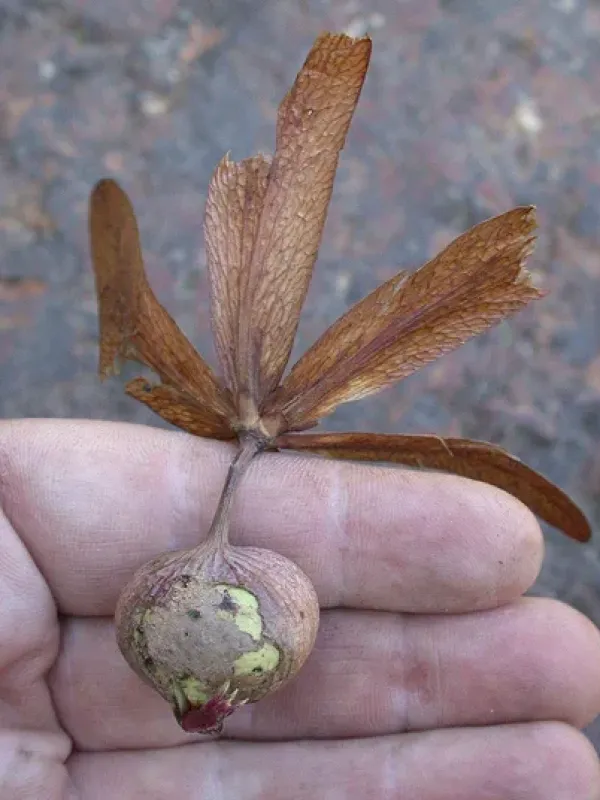
Description
Growing requirements
Gluta usitata is a prominent member of the Anacardiaceae family. This tree is historically and economically significant as a primary source of high-quality natural lacquer in Southeast Asia.
Native to the humid tropical forests of Myanmar, Thailand, and Laos, the tree thrives in climates characterized by distinct rainy seasons and consistently high levels of atmospheric humidity.
The crop prefers deep, well-drained soils, typically occupying alluvial plains along river basins. While it requires stable moisture for root health, it is intolerant to waterlogged conditions that can cause root rot.
Due to its tropical origin, the species is highly sensitive to cold and frost, limiting its cultivation to frost-free zones. It is a heliophytic species, demanding full exposure to sunlight for vigorous growth and canopy development.
The silviculture of Gluta usitata focuses on establishing plantation stands with specific spacing requirements, ensuring that each individual tree has sufficient space to grow and providing easy access for regular tapping operations.
Harvesting
The primary utility of Gluta usitata is the extraction of its sap, known globally as Burmese lacquer. This substance is harvested through a meticulous tapping process performed on mature tree trunks.
Harvesters make V-shaped incisions on the bark, allowing the viscous, milky sap to flow out. Upon exposure to oxygen, the sap undergoes a chemical reaction, turning deep black and hardening into a durable, lustrous, and waterproof finish.
The harvesting cycle is synchronized with the rainy season, which represents the period of peak physiological activity and sap flow. Sustainable management practices are essential to ensure the longevity of the trees and consistent yield levels.
Beyond lacquer production, the timber of this tree is highly regarded in manufacturing furniture. It is prized for its extreme durability and natural resistance to decay and wood-boring insects due to the presence of resinous compounds.
It is critical to note that the raw sap contains urushiol, a potent allergen capable of causing severe skin irritation and dermatitis. Safety protocols, including protective clothing, are mandatory for anyone handling the raw sap or fresh wood.