
Gluta curtisii
Gluta curtisii
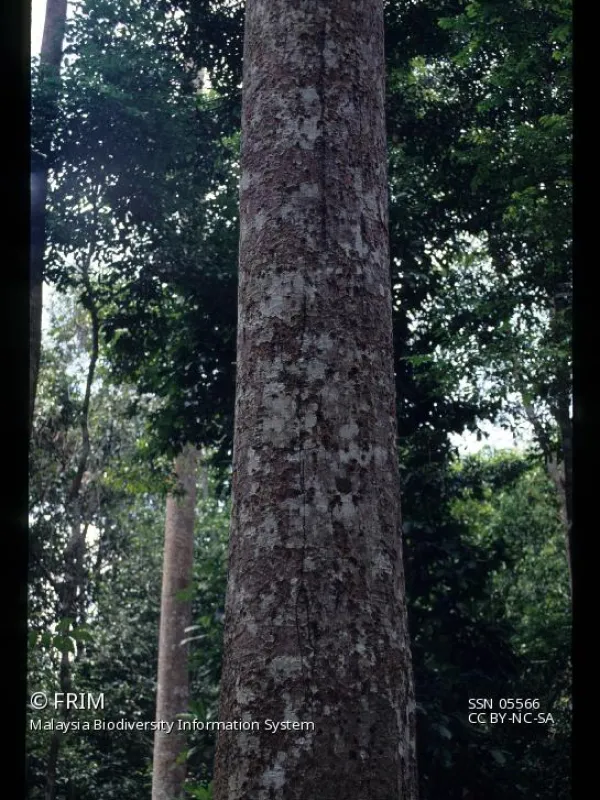
Description
Growing requirements
Gluta curtisii is an evergreen tree belonging to the Anacardiaceae family. In its natural habitat, the plant is found in the tropical rainforests of Southeast Asia, primarily in Malaysia and southern Thailand.
Successful cultivation of this crop requires specific environmental conditions characteristic of wet tropics. The optimal temperature range is between +24°C and +30°C throughout the year, and the plant is highly sensitive to frost or cold snaps.
The culture thrives in deep, well-drained alluvial soils or organic-rich forest substrates. High atmospheric humidity and the absence of prolonged drought periods are critical factors for the survival and growth of young seedlings.
While mature trees require intense sunlight for proper development, saplings in nurseries should receive partial shading to protect their foliage from thermal damage and direct scorching light.
The economic value of Gluta curtisii is mainly derived from its high-quality timber, which is highly prized in the furniture industry for its density, aesthetic texture, and resistance to environmental degradation.
Main diseases and pests
The primary threats to Gluta curtisii plantations are fungal pathogens that affect the root system, especially in areas with poor soil drainage and waterlogging.
Foliage is susceptible to various tropical insects that feed on leaves during the rainy season, which often serves as a vector for secondary bacterial infections within the canopy.
Competition from invasive plant species and aggressive climbers can significantly stunt the growth of young trees, making regular weeding and maintenance of planting sites essential.
Inadequate site selection leading to stagnant water promotes root rot, which is a frequent cause of large-scale crop failure in tropical forestry operations.
Mechanical damage to the trunk bark during maintenance operations can facilitate the entry of wood-decay fungi, drastically reducing the commercial grade and utility of the harvested timber.