
Gluta aptera
Gluta aptera
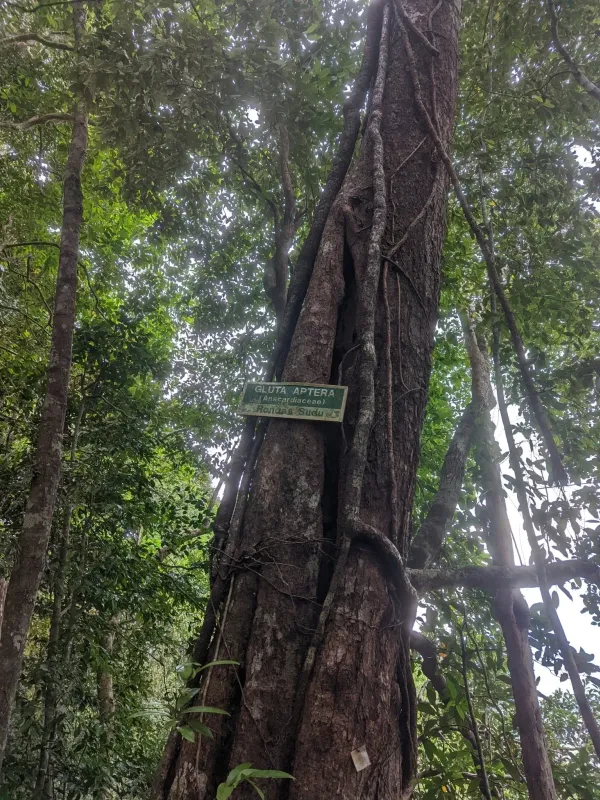
Description
Growing requirements
Gluta aptera is a distinguished tropical tree species belonging to the Anacardiaceae family, native to the tropical rainforests of Southeast Asia. It is highly valued for its robust growth habit and the exceptional quality of its wood, which plays a significant role in local and international timber markets.
The climate requirements for this species are strict, as it is strictly adapted to tropical equatorial conditions. It thrives in areas with consistent high humidity and annual rainfall, where temperatures remain stable between 22 and 32 degrees Celsius, avoiding any exposure to frost or cold winds.
Regarding soil preferences, Gluta aptera performs best in deep, well-draining, and nutrient-rich alluvial soils. While the plant appreciates consistent moisture, it requires good soil aeration to prevent root rot, which can occur in stagnant water conditions common in certain low-lying tropical areas.
Botanically, the species is known for its dense, dark foliage and a structured canopy that provides effective ground cover. The bark and sap characteristics are typical for the family, necessitating careful management and handling during silvicultural activities to ensure both operator safety and tree health.
The primary economic use of Gluta aptera is timber production. The wood is sought after for its durability, workability, and rich grain patterns, making it an excellent material for fine furniture, high-end interior joinery, and decorative wood products, supporting sustainable forestry initiatives.
Yield
The productivity of Gluta aptera plantations is primarily determined by the silvicultural management practices employed during the development phase. Optimal spacing is crucial to ensure that every tree receives adequate light and mineral resources for maximum diameter growth.
Growth rates for the species are moderate, which requires long-term planning for harvest cycles. By providing regular nutrient supplementation and controlling weed pressure during the establishment stage, foresters can achieve a significant increase in total harvestable biomass.
Quality control during the growing process focuses on maintaining apical dominance to ensure the formation of a straight, knot-free trunk. This increases the percentage of recoverable high-value timber, which is a key factor in the overall profitability of the plantation.
Yield estimation is conducted periodically by assessing basal area development and canopy closure. Modern plantation management uses these metrics to refine thinning regimes, ensuring that the remaining trees have enough space to reach their full potential before final harvest.
The market value of the harvested timber is driven by the unique physical properties of the wood. As global demand for tropical hardwoods grows, the cultivation of Gluta aptera serves as a sustainable alternative to the exploitation of dwindling natural forest reserves.
Main diseases and pests
Like many tropical tree species, Gluta aptera is susceptible to various fungal pathogens that thrive in high-humidity environments. Leaf spot and root rot diseases are the most common issues reported in high-density nursery settings.
Pest pressure from various wood-boring insects represents a significant challenge in forest management. These pests can compromise the structural integrity of the trunks, rendering the timber unsuitable for high-grade furniture production.
Termites are another major threat, especially in young plantations where they can cause rapid decline in seedlings. Integrated pest management (IPM) strategies, including biological controls and site sanitation, are essential to mitigate these risks.
Environmental stress, such as extreme flooding or prolonged droughts due to climate instability, can weaken the trees and make them more vulnerable to secondary infections. Monitoring plant health is vital during transition periods between seasons.
Effective prevention involves maintaining plantation hygiene by removing infected debris and ensuring proper air circulation within the canopy. Regular inspections by agronomic teams are necessary to identify early signs of stress and apply targeted corrective actions.