
Gluta travancorica
Gluta travancorica
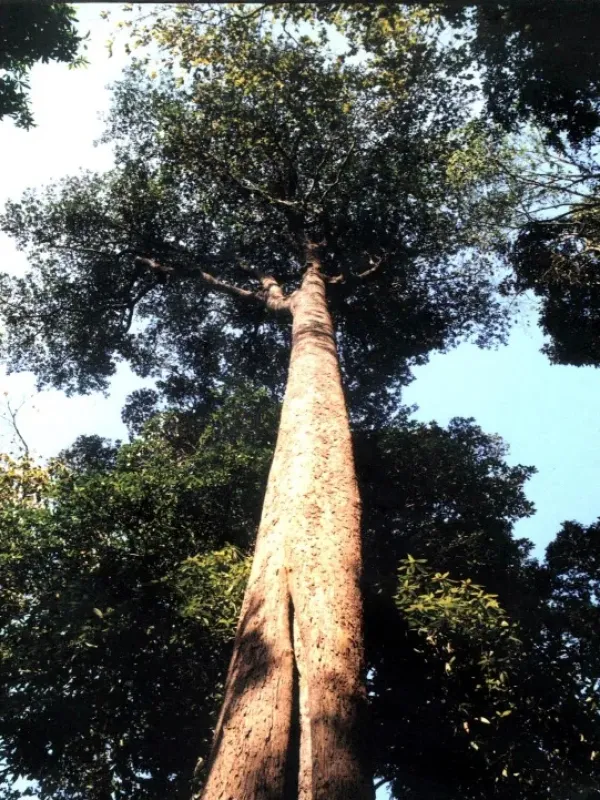
Description
Growing requirements
Gluta travancorica is a prominent evergreen tree belonging to the Anacardiaceae family. It is native to the wet evergreen forests of the Western Ghats in Southern India, primarily found in the states of Kerala and Tamil Nadu.
The species thrives in high-humidity environments with stable tropical temperatures. It is typically distributed at elevations ranging from 300 to 1,200 meters above sea level, where it benefits from high annual rainfall patterns.
Soil requirements for this tree include deep, well-draining, and nutrient-rich substrates. It is frequently observed growing along river banks or in humid valleys where the water table is accessible, though the root system requires sufficient oxygenation to prevent stagnation.
Botanically, the tree is characterized by a slow growth rate and a dense, dark-green canopy. The leaves are leathery, an evolutionary adaptation that protects the plant from intense tropical sunlight and mechanical damage during heavy monsoon rains.
The timber of Gluta travancorica is highly prized for its durability and intricate grain, making it historically significant in local craftsmanship. However, due to its conservation status, commercial harvesting is strictly regulated or prohibited to ensure the survival of the species.
Main diseases and pests
The primary biological threats to Gluta travancorica include fungal pathogens that thrive in the perennially humid conditions of its native habitat. Wood-decay fungi pose a constant risk to the integrity of older, mature trees.
Insects, particularly wood-boring beetles, represent a significant threat to saplings and young individuals. These pests can girdle the stem or damage the cambium, significantly reducing the tree's vigor and long-term viability in nursery or wild settings.
Climate change, manifesting as erratic precipitation cycles, disrupts the reproductive success of the trees. Reduced moisture availability during critical germination phases can lead to a lack of natural regeneration within forest stands.
Habitat fragmentation remains the most severe threat to the species, as it limits the dispersal of seeds and narrows the gene pool. The encroachment of agricultural activities into native forest zones forces the plant into smaller, unsustainable pockets.
Integrated pest management in protected areas focuses on maintaining ecological balance rather than chemical intervention. Protecting the surrounding biodiversity is essential for ensuring that natural predators keep harmful insect populations in check.