
Gigantochloa verticillata
Gigantochloa verticillata
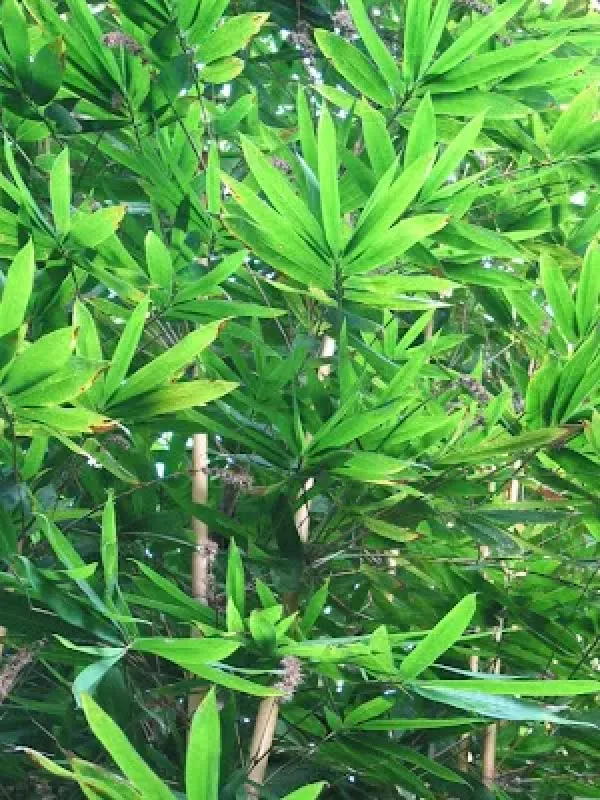
Description
Growing requirements
Gigantochloa verticillata is a robust species of bamboo belonging to the Poaceae family. This giant clumping bamboo is highly regarded for its stature and structural utility in tropical regions.
The species originates from the rainforests of Southeast Asia, thriving in equatorial climates characterized by high temperatures and significant annual rainfall.
It requires deep, fertile, and well-drained soils to support its rapid growth rate. The plant is intolerant to waterlogged conditions, which can lead to root rot and stunted development.
Optimal environmental conditions include high atmospheric humidity and protection from extreme winds. While it prefers full sun, it can tolerate partial shade during its initial growth stages.
Agronomic management involves regular application of nitrogen-rich fertilizers to promote culm elongation. Vegetative propagation via rhizome cuttings is the most effective method for establishing new plantations.
Yield
The primary economic output of Gigantochloa verticillata is its strong, durable culms, used extensively in construction, scaffolding, and furniture manufacturing.
Beyond construction, this bamboo serves as a crucial raw material for the pulp and paper industry. Its high fiber content makes it a sustainable alternative to traditional wood sources.
Sustainable harvesting involves selecting mature culms, typically 3 to 5 years old, to ensure continuous yield without exhausting the root system of the clump.
The species contributes significantly to land stabilization and erosion control, particularly in sloping terrains where its extensive root network anchors the soil effectively.
Young, tender shoots are harvested for culinary purposes, providing a nutritional food source. Managing the frequency of shoot harvesting is essential to maintain the long-term vigor of the bamboo grove.
Main diseases and pests
Bamboo borers and various coleopteran pests pose a major threat to the integrity of the culms. Pest management programs often rely on regular inspection and targeted biological control.
Fungal pathogens such as leaf rust and blight can affect plant health under conditions of poor ventilation. Maintaining adequate spacing between clumps is a critical preventive measure.
Soil nutrient depletion can lead to decreased vigor and increased susceptibility to diseases. A systematic fertilization program is necessary to ensure consistent growth and resistance.
Rodents may target young rhizomes and new shoots, causing significant loss in newly established groves. Protective fencing and trapping are common control measures during the establishment phase.
Virus-related mosaic diseases can occur, impacting both visual quality and structural strength. Using healthy, disease-free planting stock is the most important prophylactic strategy.