
Gigantochloa atter
Gigantochloa atter
Description
Growing requirements
Gigantochloa atter is a large, woody bamboo species belonging to the Poaceae family. Native to the tropical regions of Southeast Asia, specifically found in Indonesia, this species plays a vital role in local ecosystems and sustainable agricultural practices.
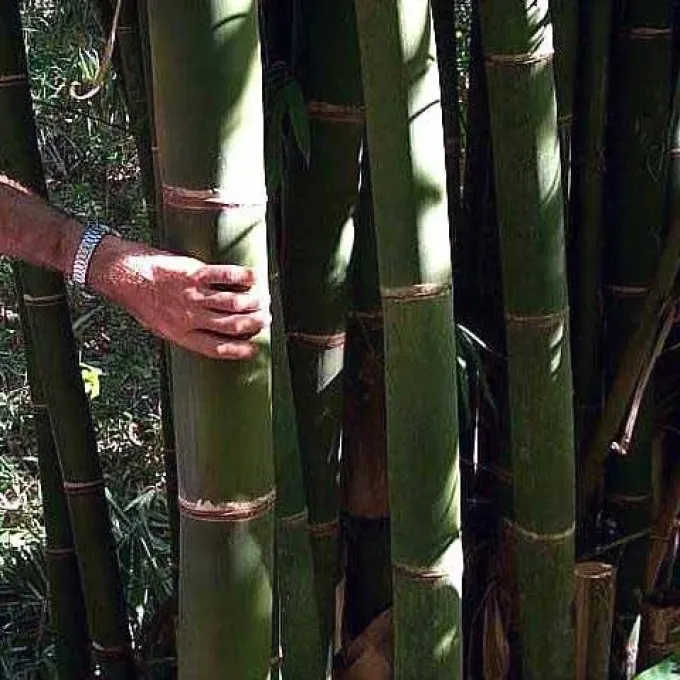
Botanically, it is recognized by its massive culms that grow in dense clumps. The stems are characterized by dark, velvety hairs when young, transitioning to a smooth, dark green or greyish appearance as they mature, reaching heights suitable for heavy construction purposes.
The crop thrives in hot, humid tropical climates where temperatures remain consistently above 20 degrees Celsius. It requires significant annual rainfall and is highly susceptible to frost, making its cultivation restricted to frost-free tropical or subtropical zones.
Soil requirements involve well-draining, nutrient-rich loamy soils. Gigantochloa atter grows best in locations with high organic matter content, though it shows some adaptability to various soil types provided that waterlogging does not persist during the growing season.
Agricultural management requires careful spacing during the establishment phase to accommodate the sympodial growth habit. Regular weeding and the application of mulch around the base of the clumps help maintain soil moisture and suppress competition from invasive weeds.
Yield
Gigantochloa atter is primarily harvested for its high-strength culms, which are widely utilized in rural construction, furniture making, and handicrafts. Its structural integrity makes it a sustainable alternative to timber in many local manufacturing sectors.
The young shoots are harvested for human consumption, contributing to local food security. Additionally, the fiber extracted from the culms is increasingly being explored for paper production and specialized textile applications due to its cellulose properties.
Main diseases and pests
The most significant threats to productivity include fungal infections such as stem rot, which occur in poorly ventilated plantations. Maintaining proper plant density is critical to reducing humidity levels within the clump and preventing disease outbreaks.
Insect pests, including various species of borers and termites, can severely compromise the quality of the timber. Integrated pest management strategies, such as biological control and the periodic removal of old or dying culms, are essential for maintaining a healthy and productive bamboo grove.