
Gigantochloa scortechinii
Gigantochloa scortechinii
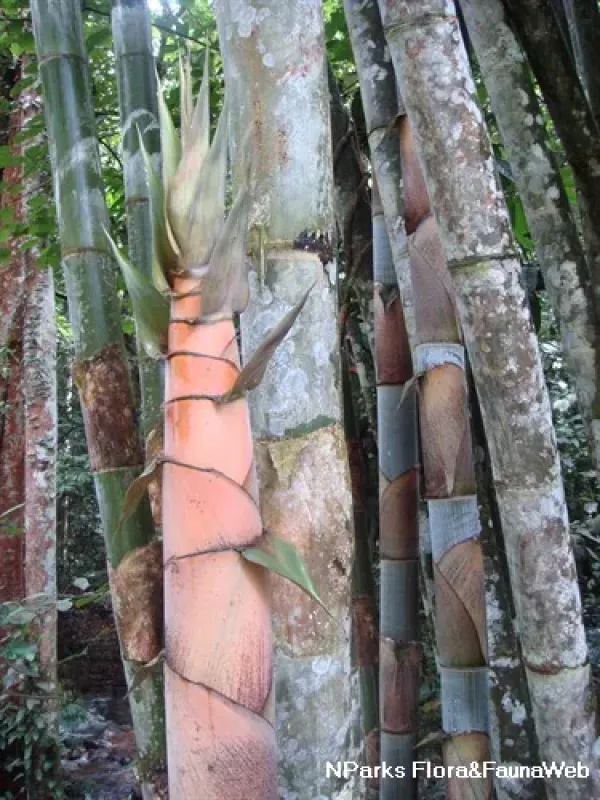
Description
Growing requirements
Gigantochloa scortechinii is a tall, tropical woody bamboo species belonging to the Poaceae family. It is recognized for its dense, clumping growth habit, where multiple culms rise from a common rhizome system.
The species is native to the tropical forests of Southeast Asia, specifically prevalent in the Malay Peninsula. It thrives in high-humidity environments and is well-adapted to the consistent rainfall patterns of tropical climates.
Optimal growth requires deep, fertile, and well-drained soils. While this bamboo species loves water, it is essential to ensure that the soil does not become waterlogged, as this can impede root development.
Temperature is a limiting factor for this crop, as it prefers warm conditions ranging between 25°C and 30°C. It lacks frost tolerance and should only be cultivated in frost-free zones.
Standard cultivation practices involve clearing weeds during the early establishment phase and ensuring adequate spacing to facilitate air movement within the bamboo clumps.
Yield
This species is highly valued for its timber, which is extensively utilized in traditional and modern construction for scaffolding, structural beams, and flooring systems.
The culms possess excellent mechanical properties, making them suitable for manufacturing high-quality furniture, agricultural stakes, and various handicrafts that require both durability and flexibility.
The pulp produced from the fibers of Gigantochloa scortechinii is considered suitable for paper manufacturing, contributing to a sustainable supply of raw materials for the pulp industry.
Harvesting usually follows a selective cutting cycle, where mature culms are removed after 3 to 5 years, allowing the younger, developing culms to continue growing undisturbed.
Efficient management of the plantation ensures a continuous annual yield, provided that the fertility of the soil is maintained through the application of organic mulch.
Main diseases and pests
Fungal infections can become a major concern, particularly during periods of prolonged wet weather, which can lead to discoloration and decay of the outer culm surface.
Borers and other wood-infesting beetles are the primary insect threats, often attacking stored bamboo or mature stems in the field, which can significantly reduce the market value of the timber.
Preventative measures include the thinning of dense clumps to improve aeration, which effectively lowers the humidity levels around the stems and reduces the risk of fungal outbreaks.
Rodents and larger herbivores may cause damage to young shoots, requiring protective measures such as fencing or the use of natural repellents during the early growth stage.
Integrated pest management, focusing on early detection and removing affected biomass, remains the most sustainable approach to protecting bamboo plantations.