
Gigantochloa ridleyi
Gigantochloa ridleyi
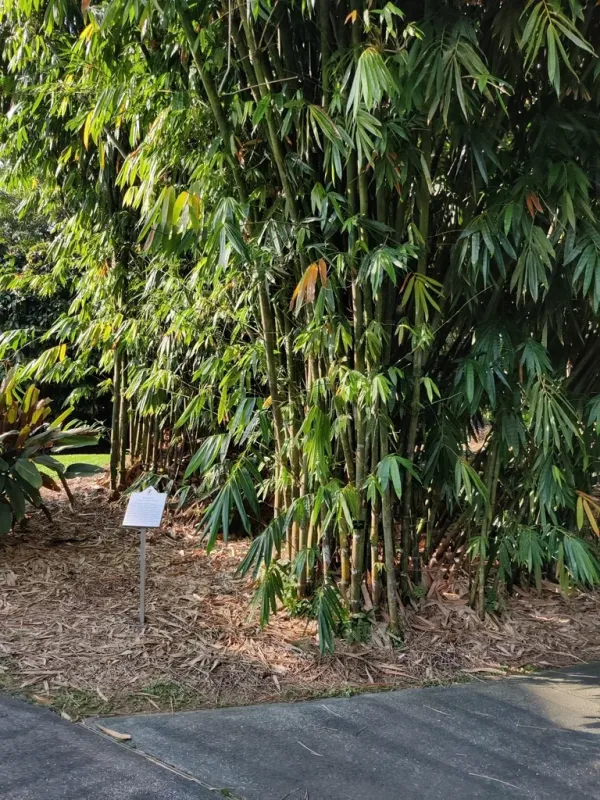
Description
Growing requirements
Gigantochloa ridleyi is a species of large tropical bamboo belonging to the Poaceae family. This woody grass is highly valued for its structural integrity and rapid growth rate in equatorial environments.
Native to the humid rainforests of the Malay Peninsula, this species thrives in tropical climates where temperatures remain consistently high. It requires well-distributed annual rainfall and is ill-suited for regions with significant seasonal temperature drops.
The ideal soil for Gigantochloa ridleyi is a fertile, loamy soil with excellent drainage properties. It flourishes in areas where the soil maintains high moisture levels without becoming waterlogged, as poor aeration can lead to root rot.
Cultivation practices involve selecting high-quality rhizome cuttings for propagation during the onset of the monsoon season. Regular thinning of mature stands is required to stimulate the production of new, robust shoots and to maintain plantation productivity.
Commercially, this bamboo is utilized for construction, high-quality furniture making, and as a sustainable raw material for eco-friendly handicrafts. Its fiber properties are also studied for their potential in bio-composites and textile applications.
Main diseases and pests
The most common biological threats to this crop include leaf blight and fungal rusts that flourish in stagnant, humid air. Proper plantation spacing is essential to ensure adequate airflow and reduce the humidity levels within the canopy.
Bamboo borers represent a major economic threat, as they tunnel into the culms, compromising the structural quality of the wood. Effective management includes regular inspection and the removal of infected stems before the pests spread further.
Defoliating insects can significantly reduce the photosynthetic capacity of the plants, leading to stunted growth. Monitoring programs using pheromone traps are recommended to detect pest populations early and manage them effectively.
Nutrient deficiency, particularly regarding nitrogen and potassium, often manifests as leaf chlorosis, which makes the plant more susceptible to stress. Applying organic fertilizers according to soil test results is vital for maintaining vigor.
Wild animals, including rodents and large herbivores, can cause mechanical damage to young rhizomes. Implementing physical barriers and maintaining clean plantation perimeters helps protect the crop during its vulnerable establishment phase.